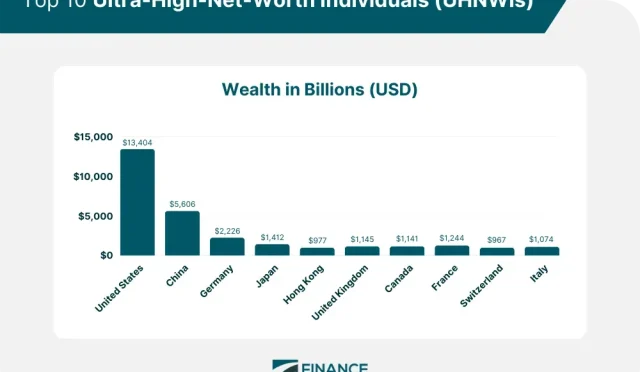

Global wealth inequality is rapidly becoming one of the most pressing issues of our time, with stark differences between the affluent and the impoverished increasingly defining the landscape of the world economy. Recent reports reveal that the wealth gap has reached alarming levels, where the ultra-rich—merely 0.001% of the population—hold wealth equivalent to that of billions of individuals struggling against poverty and wealth disparities. This economic disparity undermines democratic institutions and fosters instability as a significant portion of society remains excluded from the benefits of economic growth. As globalization benefits a select few, addressing income inequality is more critical now than ever, prompting calls for aggressive reforms in policies and institutions. With these global economy trends at play, the urgent need to tackle wealth inequality is essential for achieving a more equitable future.
The current state of economic disparity is indicative of a broader crisis where the distribution of wealth and resources has become alarmingly imbalanced. High-income segments continue to expand their financial overflow while the majority grapple with unstable livelihoods and mounting debt. Terms like income gap and financial divide aptly describe the situation where a small demographic’s prosperity starkly contrasts with the struggles of the masses. These disparities are not simply incidental; they are deeply rooted in systemic policy choices and historical inequities. Consequently, addressing issues such as wealth concentration and poverty remains crucial in reshaping a more balanced and just society.
Understanding Global Wealth Inequality
Global wealth inequality represents the uneven distribution of assets among individuals and groups across the world. As highlighted in a recent report, the gap between the top 0.001% and the remainder of the population has widened dramatically, with a few thousand multimillionaires holding three times the wealth of the poorest half of humanity. Such disparities not only illustrate the concentration of financial resources but also reveal deeper economic disparities affecting various regions globally. Policymakers and economists have raised alarms, urging for a structured approach to address these inequalities before they exacerbate social unrest and destabilize economies.
The report stresses that these divides are not random occurrences but are shaped by historical, political, and economic forces that perpetuate systems of wealth accumulation. For instance, while the wealth of billionaires has risen exponentially, the bottom half of the population has seen only marginal benefits. This raises essential questions about the fairness of the global economic system and the policies that facilitate the growing wealth gap.
The Impact of Economic Disparity on Societies
Economic disparity does not just exist on paper; it has real-world implications for societies globally. The findings of the World Inequality Report reveal that societies with high levels of inequality often face numerous challenges, including increased poverty rates and decreased social cohesion. The wealthiest segments tend to engender an environment where resources and opportunities are scarce for the less fortunate, creating a vicious circle of poverty. This not only affects individual livelihoods but also dampens overall economic growth, as a significant portion of the population remains trapped in a cycle of disadvantage.
Furthermore, societies characterized by significant economic inequality experience higher rates of crime, lower educational performance, and diminished trust in institutions. Such consequences are particularly visible in regions where the wealth gap is most pronounced, emphasizing the urgent need for reforms that can bridge the economic divide. Innovative social programs and fair taxation policies are essential to reverse the trend of economic disparity and ensure that the broader population has access to opportunities for growth and improvement.
Strategies to Address Income Inequality
Addressing income inequality is crucial to fostering a more equitable global economy. Experts argue that a comprehensive approach is necessary, including implementing fair tax reforms that hold the wealthiest accountable. For example, progressive taxation systems that increase tax rates for high earners can generate revenue for critical social programs aimed at uplifting the lower income brackets. Such reforms can lead to investments in education, healthcare, and infrastructure, effectively narrowing the wealth gap and promoting inclusivity.
Moreover, targeted investments in social safety nets and community-driven initiatives can empower underprivileged families to break free from the chains of poverty. Ensuring access to quality education and job training will equip future generations with the tools necessary for economic success, providing a sustainable solution to income disparity. By prioritizing policies that focus on equality of opportunity, nations can gradually heal the economic wounds inflicted by decades of wealth concentration.
The Role of Global Economy Trends
Global economic trends play a significant role in shaping patterns of wealth and income distribution. The latest findings indicate that modern-day globalization has disproportionately benefited a select few while overlooking vast swathes of the population. As businesses thrive and expand across borders, those with established wealth and resources have been able to capitalize on these opportunities, leaving many behind. This economic landscape is critical in understanding the dynamics of wealth accumulation and the resulting disparities that ensue. In some cases, wealth generated in low-income countries has been funneled into high-income economies, perpetuating a cycle of dependence that exacerbates poverty.
Furthermore, recent shifts in global policies, particularly those revolving around taxation and climate change, are essential for understanding current economic inequality trends. The growing trend of austerity measures imposed by governments can lead to cuts in essential services and support for the less fortunate, further entrenching wealth disparities. A more inclusive global economy will require cooperation among nations to ensure fair economic practices and equitable distribution of resources, ultimately paving the way for a more just world.
Challenges in Reversing Wealth Concentration
Reversing the concentration of wealth has become an increasingly daunting challenge faced by policymakers and society at large. The entrenched interests of the wealthiest segments of the population often resist reforms aimed at diminishing their financial influence. This resistance is manifested in various forms, from lobbying against progressive tax policies to opposing legislation aimed at wealth redistribution. Overcoming such challenges requires cohesive political will and public support for policies that combat economic disparity and promote social justice.
Moreover, there is a prevailing belief among many that income inequality is a byproduct of global economic forces beyond our control. This mindset can undermine efforts to tackle wealth concentration, as it diverts attention from the systemic issues that contribute to inequality. It is crucial for leaders and the public to recognize that such disparities can be addressed through strategic reforms and investments focused on creating an equitable economy where opportunities are accessible to all.
The Necessity for Urgent Political Action
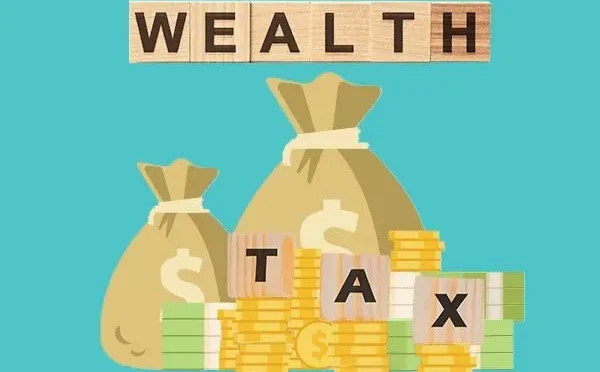
Increasing economic inequality is a pressing issue that necessitates immediate political action. The call to arms by researchers and activists alike emphasizes that the time for half-measures has passed. Effective government interventions are essential to mitigate the adverse effects of wealth concentration. These interventions might include the introduction of wealth taxes targeting the ultra-rich or strengthening regulations around corporate practices that perpetuate inequality.
Additionally, political leaders must be willing to engage in difficult conversations about resource allocation and the priorities of their governments. Efforts made to invest in education, healthcare, and infrastructure can yield substantial economic returns and improve equality over time. Through decisive actions and policies aimed at fostering a more equitable society, we can work towards reversing decades of growing economic disparity.
Global Cooperation for Economic Equity
Tackling global wealth inequality demands collaboration across borders and among nations. Through partnerships and cooperative agreements, countries can share resources and best practices for promoting economic equity. This includes discussing policies that emphasize fair wages, social safety nets, and tax reforms that can address the wealth gap effectively. By collaborating on global issues, nations can work together to rectify historical injustices that have led to economic disparities.
Moreover, international organizations play a pivotal role in fostering dialogue around economic inequality. By prioritizing issues related to poverty and wealth in global forums, stakeholders can advocate for policies that address the root causes of inequality. Such cooperative efforts can not only help mitigate current disparities but also foster long-term sustainable economic growth that benefits all segments of the population. The path toward a more equitable global economy is contingent upon the collective commitment to work towards shared prosperity.
The Future of Economic Disparity
Looking ahead, the future of economic disparity hinges on our willingness to adopt inclusive practices that promote wealth distribution. As the report suggests, the choices made in the coming years will significantly impact whether the global economy will continue on an unsustainable path or move toward a more balanced distribution of wealth. Advocacy for policies that prioritize the welfare of the majority can create a shift towards an equitable system that benefits everyone, rather than just the affluent few.
Moreover, understanding and addressing the historical context of income inequality will be crucial in fostering avenues for positive change. By acknowledging the structures and systems that have perpetuated these inequalities, stakeholders can devise actionable strategies to dismantle barriers and construct a framework of economic justice. The future can be one of shared prosperity, but it requires concerted efforts from individuals, governments, and global institutions to implement meaningful reforms that address economic disparity.
Frequently Asked Questions
What is global wealth inequality and how does it impact the economy?
Global wealth inequality refers to the unequal distribution of wealth among individuals and populations worldwide. It profoundly impacts the economy by concentrating financial power in the hands of a small elite, which hinders economic growth and social mobility for the majority. This disparity can lead to political instability and diminish trust in democratic institutions.
How does the wealth gap contribute to economic disparity?
The wealth gap, a major aspect of global wealth inequality, creates a significant economic disparity by limiting access to resources for the majority. While the wealthiest 10% control a disproportionate share of wealth, the bottom half of the population struggles, which exacerbates poverty and stagnates economic development. Such inequality can hinder overall economic progress and lead to social unrest.
What are the consequences of income inequality on global markets?
Income inequality can destabilize global markets as it restricts consumer spending among the lower and middle classes, vital for economic growth. This imbalance enables a small fraction of high-income earners to dominate the market, reducing competition and innovation. Moreover, it can lead to increased political influence for the wealthy, skewing policies in their favor and perpetuating the cycle of inequality.
Can poverty and wealth be effectively bridged in the face of global economic trends?
Bridging poverty and wealth in light of global economic trends is challenging but achievable with targeted policies. Implementing equitable taxation, investing in education and social safety nets, and ensuring fair wages can help mitigate global wealth inequality and empower the disadvantaged to participate actively in the economy.
What recent data reveals about the state of global wealth disparity?
Recent data indicates that the wealthiest 0.001%—just under 60,000 multimillionaires—possess three times more wealth than the poorest half of the population. This statistic is alarming and underscores the urgent need for policies that address global wealth inequality and promote inclusive growth.
How do political decisions influence global wealth inequality?
Political decisions significantly influence global wealth inequality by shaping economic policies and tax structures. Decisions that favor deregulation, tax cuts for the wealthy, and reduction in social programs widen the wealth gap, as seen in many high-income countries where wealth concentration is accelerating.
Is global wealth disparity an inevitable outcome of capitalism?
Global wealth disparity is not an inevitable outcome of capitalism but a result of historical decisions, institutional policies, and power imbalances. While capitalism can lead to wealth creation, without equitable regulations and interventions, it often results in pronounced inequality and a concentration of wealth among a small elite.
What solutions can be implemented to address global wealth inequality?
To address global wealth inequality, solutions such as progressive taxation targeting the ultra-wealthy, raising minimum wages, investing in public education and healthcare, and enhancing social safety nets need to be implemented. Additionally, fostering international cooperation to regulate tax evasion and promote fair trade can create a more equitable global economy.
In what ways can individuals contribute to reducing global economic disparity?
Individuals can contribute to reducing global economic disparity by supporting fair trade practices, advocating for policy changes that promote economic equity, volunteering for or donating to organizations targeting poverty alleviation, and using their voting power to support candidates and initiatives that address wealth inequality.
How does globalization relate to income inequality?
Globalization has a complex relationship with income inequality. While it can create economic opportunities and foster growth, it frequently benefits wealthier nations and individuals disproportionately. This results in a widening income gap as lower-income populations often do not share equally in the economic benefits, leading to increased global wealth inequality.
| Key Points | Details |
|---|---|
| Global Wealth Inequality Overview | The wealth gap between the richest and the rest continues to widen, presenting significant challenges. |
| Top 0.001% Wealth Ownership | Fewer than 60,000 multimillionaires hold three times more wealth than the poorest half of the global population. |
| Report Insights | The World Inequality Report highlights that economic gains are skewed towards a small minority. |
| Wealth Disparity Facts | The top 10% own three-quarters of global wealth and earn more than the rest combined. |
| Impacts on Society | The concentration of wealth undermines democratic institutions and causes economic instability. |
| Call for Action | Reversing inequality requires political will for fair taxation and investment in social programs. |
Summary
Global wealth inequality has reached alarming levels, as evidenced by the latest World Inequality Report. This research underscores the growing divide between the wealthiest individuals and the rest of the population. Urgent political action is needed to address these disparities, which are not accidental but rather the results of systemic choices and policies. As national resources continue to favor the rich, solutions such as equitable taxation and significant investments in social equity must be prioritized to foster a more balanced economic future.