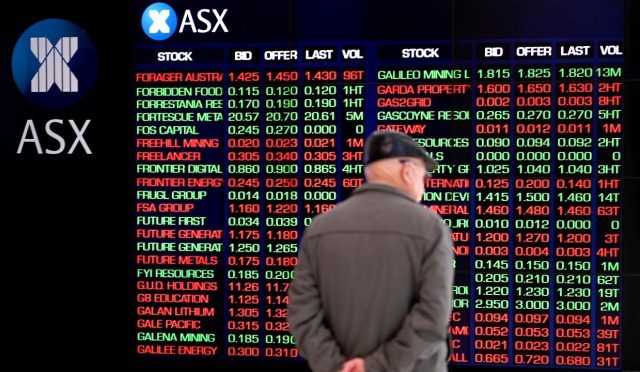
The US stock market is bustling with activity as traders return from the Christmas break, eager to see if the recent upward momentum will continue. This period, often associated with what’s known as the “Santa Rally,” has historically offered investors optimistic gains, particularly as the Dow Jones Industrial Average, S&P 500, and Nasdaq inch closer to new highs. Following the festive season, stock futures indicate a mildly positive outlook, reflecting a cautious yet hopeful sentiment among market participants. With liquidity typically lower this time of year, prices may fluctuate more easily, making today’s trading session particularly intriguing. As we delve deeper into December 26’s trading dynamics, the anticipation surrounding major indexes’ performance remains palpably high.
As the trading day unfolds, the American equities market demonstrates a keen interest in the performance of key indexes post-holiday. The focus intensifies on indicators such as the Dow Jones, S&P 500, and Nasdaq, all of which have shown remarkable resilience leading up to and following Christmas. However, this session on the financial stage is more than just a return from the holidays; it embodies an annual tradition known as the “Santa Claus rally,” where historically, positive trends emerge in the last week of December. With trading volumes impacted by holiday festivities, many investors are aligning their strategies with the hopes of capitalizing on potential gains. This blend of seasoned expectations and fresh trading dynamics sets the stage for an engaging market day.
US Stock Market Update: December 26, 2025
Today, the US stock market opens with a cautious optimism as major indices aim to build on the gains seen in the previous sessions. The Dow Jones, S&P 500, and Nasdaq made notable progress before the holiday break, hitting record highs that have been viewed favorably by investors. With many markets still enjoying the festive season, trading activity might be subdued, leading to potential volatility. Investors are keenly observing whether the momentum from the recent “Santa Rally” will continue into the end of the year.
As stock index futures reflect slight upward movements, there’s an air of anticipation on Wall Street. The S&P 500 and Nasdaq futures both showed a modest increase of 0.1%, suggesting stability at the market’s open. This calm setup before the market opens draws attention to how liquidity might affect trading in upcoming sessions. The sentiment among traders aims to remain positive, but global participation is uneven, and the upcoming data releases could shift the prevailing market sentiment quickly.
Analyzing the Impact of the Santa Rally
The historical phenomenon known as the ‘Santa Rally’, which encapsulates the trading activity in the last five days of the year and the first two days of the new year, holds significant influence over market psychology. December 26, in particular, has achieved a reputation as one of the most favorable days for the S&P 500, reinforcing traders’ belief in its potential for positive returns. Research indicates that this day has frequently demonstrated notable gains, creating an environment where market participants may feel compelled to chase returns, hoping not to miss out on the positive trajectory.
However, while the Santa Rally often presents substantial market activity, it is vital for investors to remain grounded. The enthusiasm rooted in seasonal trading biases can sometimes overshadow underlying fundamentals. Historical patterns show that the effectiveness of this rally can vary, and without substantial growth in earnings or favorable economic data, the anticipated gains might not materialize. Thus, traders today should remain vigilant and prepared for any abrupt changes that could disrupt the expected continuity of upward trends.
Understanding the nuances of the Santa Rally can help investors navigate market fluctuations more effectively. The various layers, including liquidity levels and participating investor behavior, will play critical roles in determining whether this holiday period will conclude with a flourish or fall flat beneath shifting economic realities.
Despite the lighter volume typical of holiday trading, the equities market’s focus on the Santa Rally must also consider external factors that could drive volatility. Economic data releases and geopolitical events can create unexpected turbulence, impacting the continuity of the current trends seen in the Dow, S&P 500, and Nasdaq.
Expectations for Stock Futures and Market Trends
Leading into today, stock futures have seen minor increases, signaling a stable opening for the markets. For traders, these modest gains in futures, with the Dow, S&P 500, and Nasdaq reflecting similar increments, suggest a cautious but optimistic outlook. The low trading volumes are notable: much lower than the 20-day average, which may offer both opportunities and risks. This reflects a typical post-holiday market environment where traders must stay alert to rapid price changes due to thin liquidity.
As market participants assess their positions moving forward, attention is drawn to potential stock futures movements. Analysts forecast that today’s performance could rely heavily on trader sentiment, and the current setup seems to favor a gradual ascendancy, assuming no disconcerting economic reports emerge. The dynamics around the holiday season reveal how psychological factors influence trading decisions, with participants often motivated by the fear of missing out on year-end gains.
Economic Considerations and the Federal Reserve’s Influence
One vital influence on the US stock market is the Federal Reserve’s forthcoming rate decisions. When contextualizing today’s trading atmosphere, two focal points dominate: the anticipated rate cuts and discussions surrounding the Fed chair’s succession. Investors are particularly keen on understanding the timing and frequency of potential rate adjustments that might shape market behavior in the coming year.
The market’s ability to rally in 2025, despite various uncertainties, has largely relied on favorable interest rates and robust earnings growth. As conversations unfold regarding rate cuts and their implications for sectors like technology, energy, and consumer goods, traders remain on high alert. The dynamics of the economic calendar will influence traders’ confidence, thus directly impacting the valuation of stock indices moving into the New Year.
Technology Stocks: A Driving Force or a Risky Bet?
As the end of 2025 approaches, technology stocks, particularly those involved in AI and innovation, continue to dominate market discussions. The stock market’s narrative has shifted significantly towards evaluating whether these tech giants can sustain growth amidst discussions of overvaluation. Reports leading into the holiday indicate significant rebounds in AI stocks, highlighting their crucial role in driving market performance and investor sentiment.
However, the duality of opportunity and risk persists in the tech sector. While advancements in AI and related technologies have certainly captured market enthusiasm, the potential for corrections due to valuation concerns looms large. Traders should maintain a watchful eye on how these stocks respond to market narratives and whether sentiment will shift from one of excitement to one of apprehension as earnings reports approach in 2026.
Geopolitical Factors Influencing Market Sentiment
In a market environment characterized by fluctuating oil prices and geopolitical tensions, the influence of international events cannot be understated. Energy prices, particularly crude oil, have seen recent mild increases as investors absorb potential supply disruption risks. The connection between these fluctuations and the broader US stock market remains significant, affecting not only sector performance but also shaping investor confidence regarding inflation and economic growth.
Today’s market dynamics underline that even minor changes in energy costs could impact spending behavior and inflation expectations. Traders should remain vigilant to the interplay of these external variables while navigating their trades. Understanding how geopolitical developments interact with trading trends in the Dow, S&P 500, and Nasdaq provides valuable insights for strategic decision-making as we approach a new fiscal year.
Market Readiness for Year-End Trading
With the US stock market reopening today, traders are gearing up for what could be a pivotal day in year-end trading. Historical trends suggest December 26 often yields positive movements, but interpretations can vary based on current conditions. Traders will need to evaluate liquidity and current participation rates closely as they navigate potentially volatile conditions after the holiday.
Additionally, with major exchanges operational despite federal office closures, market participants might react to emerging data that could influence trading sentiment throughout the day. The tension between predictability and market volatility characterizes this unique trading environment as investors weigh their positions against potential surprises from economic indicators.
Looking Ahead: Insights into 2026
As traders assess December 26’s implications, the focus pivots towards 2026 and the broader economic landscape. The high returns observed in 2025 have set expectations, but market participants should remain cautious regarding how forthcoming economic data will shape the narrative. The interplay between earnings growth and interest rate trajectories will be critical in determining whether the elevated valuations seen this year can be sustained into the next.
Experts underline that while 2025 has been a year of resounding gains, the path to continued success in 2026 may pivot increasingly towards fundamentals rather than market speculation. Thus, developing a robust strategy based on emerging trends and economic forecasts will be key for traders looking to navigate the landscape effectively.
Frequently Asked Questions
What is the significance of the Santa Rally in the US stock market?
The Santa Rally refers to the tendency for stocks, especially the S&P 500 and Dow Jones, to rise during the last five trading days of December and the first two of January. This phenomenon is believed to be driven by increased consumer spending during the holidays and investor optimism, which can lead to higher trading volumes and performance in the US stock market.
How did the Dow Jones perform on December 26, 2025?
On December 26, 2025, the Dow Jones Industrial Average saw a rise of approximately 0.60%, closing at 48,731.16, reflecting strong investor sentiment and contributing to the overall positive momentum in the US stock market.
What impact did stock futures have on the Nasdaq and S&P 500 on December 26, 2025?
On December 26, 2025, stock futures for both the Nasdaq and S&P 500 were modestly higher, indicating a steady start to trading. S&P 500 futures were up about 0.1% to 6,987.75, while Nasdaq 100 futures matched this rise, setting an optimistic tone for the US stock market.
Why is December 26 considered a strong trading day for the S&P 500?
December 26 is often regarded as a strong trading day for the S&P 500 due to historical trends showing consistent positive performance. This day has notably high average gains, making it an important date for traders in the US stock market, particularly during the Santa Rally.
What are the current trends in AI stocks within the US stock market?
AI stocks have become a significant factor in the US stock market, driving growth in major indices. In 2025, companies like Micron Technology have reached record highs, while discussions around AI valuations continue to influence investor sentiment and the overall performance of the Nasdaq and S&P 500.
How do energy prices affect the US stock market?
Energy prices, including oil and gas, have a substantial impact on the US stock market as they affect inflation expectations, consumer sentiment, and sector performance. Fluctuations in oil prices can create waves of volatility in the S&P 500 and Dow Jones, especially when trading volumes are low.
What are the trading hours for the US stock market on December 26, 2025?
Despite a federal closure order, the US stock market operated normally on December 26, 2025, adhering to its regular trading hours. Major exchanges including NYSE and Nasdaq were open, allowing investors to engage actively in the market during this period.
What should investors monitor in the US stock market as 2025 concludes?
As 2025 concludes, investors should closely monitor liquidity levels, sector rotations, and the implications of anticipated Federal Reserve rate cuts on market volatility. Trends in AI-linked stocks and the ongoing Santa Rally are also key focus areas that can significantly impact the S&P 500 and Dow Jones.
What are the risks associated with the current US stock market rally?
The current US stock market rally, characterized by strong performances in indices like the Nasdaq and S&P 500, carries risks such as overvaluation concerns and uncertainties surrounding future interest rate policies from the Federal Reserve. Investors need to weigh these risks against potential growth outlooks.
How does the performance of gold and silver relate to the US stock market?
The performance of gold and silver can indicate investor sentiment in the US stock market. Rising prices for these metals often suggest caution among investors, who may be hedging against potential market volatility or geopolitical risks that could impact equities.
| Key Point | Details |
|---|---|
| Market Overview | U.S. stocks are entering the trading session after achieving record highs for major indexes. Market activity is expected to be light due to the holiday season. |
| Futures Performance | S&P 500 futures up 0.1%, Nasdaq 100 futures up 0.1%, Dow Jones futures up 0.1% as of late Thursday evening. |
| Record Highs Pre-Holidays | Before the closure, major indexes closed higher with Dow up 0.60%, S&P 500 up 0.32%, and Nasdaq up 0.22%. |
| Santa Claus Rally | December 26 is viewed as a historically positive trading day, potentially influenced by traders’ psychology. |
| Interest Rates | Focus on expected Federal Reserve rate cuts and the transition in Fed leadership affecting market confidence. |
| Technology Stocks Influence | AI and tech stocks continue to drive market momentum, with ongoing discussions about valuations and profitability. |
| Commodities Impact | Energy prices and precious metals are experiencing significant fluctuations, causing potential shifts in investor sentiment. |
| Market Outlook | Investors are balancing between the current bullish momentum and potential volatility as they prepare for 2026. |
Summary
The US stock market today reflects a cautious optimism, buoyed by a post-Christmas resurgence known as the “Santa rally.” As investors navigate through a seasonal period marked by record highs and lighter trading volumes, the focus remains on the potential for favorable Federal Reserve actions and ongoing dynamics within the technology sector. Despite the positive upward trajectory, challenges and uncertainties loom as we approach 2026, necessitating a careful evaluation of market conditions moving forward.