The California billionaire tax has emerged as a hot-button topic in the state’s ongoing tax and fiscal discussions. This proposed wealth tax California initiative seeks to impose a significant financial burden on residents with assets exceeding $1 billion, potentially reshaping the landscape of innovation and economic growth in the state. Critics, including GOP gubernatorial candidate Steve Hilton, argue that such a tax would drive away the very entrepreneurs and wealth creators who fuel California’s economy. Many prominent figures from Silicon Valley are expressing concern that this tax could trigger a mass billionaire exodus from California, threatening job creation and capital investment. As California lawmakers grapple with this contentious issue, Governor Gavin Newsom’s nuanced tax stance complicates the narrative, highlighting a deepening financial divide within the nation.
The proposed tax on billionaires in California, often referred to as a wealth tax initiative, has sparked widespread debate among politicians, entrepreneurs, and the general public. Voices like Steve Hilton have emerged in opposition, suggesting that this measure would harm rather than help the state’s economic engine. Meanwhile, the threat of a potential exodus of wealthy residents raises critical questions about the future of investment and innovation in the state. As lawmakers consider this significant move, the underlying issues of wealth distribution and fiscal responsibility are coming under scrutiny, particularly in light of Governor Newsom’s remarks about the growing disparity in income and wealth. This conversation underscores the complexity of tax policies and their profound impact on California’s economic fabric.
The California Billionaire Tax Initiative: What You Need to Know
The California billionaire tax initiative has sparked significant debate among policymakers and residents alike. This proposed measure, which seeks to impose a one-time 5% tax on assets worth over $1 billion, aims to generate revenue to counteract cuts in federal health funding. Yet, critics argue that this wealth tax California could lead to a mass exodus of tech elites from the state, potentially destabilizing the economic landscape. As discussions continue, many are left wondering whether the potential benefits of the proposed tax outweigh its risks.
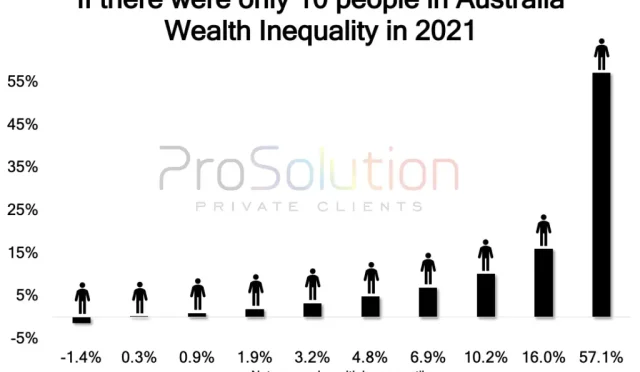
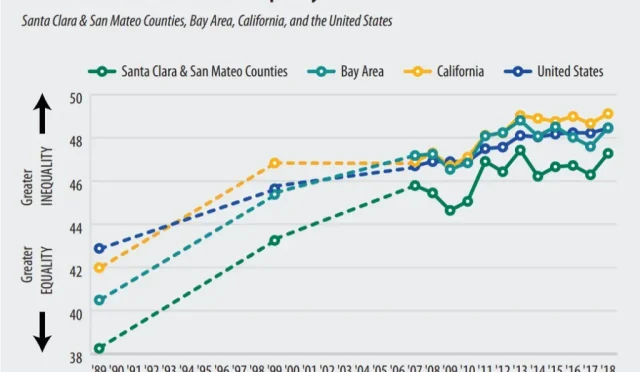
Supporters tout the initiative as a progressive approach to addressing wealth inequality in California. By targeting billionaires, the initiative intends to redistribute resources that could fund vital public services. However, opponents, including prominent figures in Silicon Valley, have expressed concerns about the impact this tax could have on innovation and entrepreneurship in the state. Economic forecasts suggest that if the tax were implemented, it might discourage investment and drive away talent, ultimately harming California’s economy.
Criticism from Steve Hilton: A Tipping Point for California?
GOP gubernatorial candidate Steve Hilton has emerged as a vocal critic of the proposed billionaire tax initiative in California, branding it as another instance of the state’s addiction to taxing and spending. Speaking on ‘The Bottom Line,’ Hilton argues that rather than creating barriers for entrepreneurs, California should focus on fostering an environment conducive to business growth. Hilton’s remarks underscore a growing sentiment among many residents who feel that excessive taxation is pushing successful individuals out of the state.
Hilton’s criticism aligns with warnings from other investors like Palmer Luckey and Peter Thiel, who fear that enacting such a tax could drive innovation away from California. The implications of losing these high-profile entrepreneurs could be detrimental, not just for Silicon Valley, but for the entire Californian economy. Hilton calls for a return to policies that support entrepreneurship, arguing that only through a favorable business climate can California regain its status as an engine of opportunity.
The Billionaire Exodus: Are Founders Really Leaving California?
The proposition of a billionaire exodus from California has become a pressing issue of discussion following the announcement of the proposed wealth tax. Prominent tech leaders such as Palmer Luckey and Larry Page have hinted at relocating their businesses, a move that could signify a larger trend among high net worth individuals. This potential flight raises serious concerns about the future of investment and job creation within the state, as these founders play a crucial role in driving technological innovation and growth.
As Steve Hilton and others warn, the millionaire tax could trigger a chain reaction where prominent figures decide that the economic climate in California is no longer favorable for business. The consequences of such departures would be profound, potentially leading to diminished tax revenues and a slowed economy. Analysts argue that California must reassess its taxation strategies to retain its most impactful entrepreneurs and investor talent, or risk becoming a shadow of its former economic powerhouse status.
Gavin Newsom’s Stance on Wealth Tax: Caution and Concerns
California Governor Gavin Newsom has taken a cautious approach regarding the proposed billionaire tax, urging citizens not to panic over its implications. During his remarks at The New York Times DealBook conference, he acknowledged the concerns surrounding wealth inequality while pushing back against the idea that the tax will solve underlying economic disparities. Newsom’s hesitation may stem from the potential fallout this wealth tax could have on the state’s economy and its most productive residents.
Newsom’s comments reflect a broader narrative surrounding tax initiatives within California. As he warns against political panic, it’s clear that discussions about wealth distribution and economic reform are ongoing. His stance suggests a willingness to explore new solutions while recognizing the importance of maintaining a balance between generating revenue and fostering a business-friendly environment that can keep California competitive on the national stage.
Impacts of the Proposed Tax on California’s Economy
The proposed billionaire tax has implications that extend beyond individual wealth, potentially affecting California’s overall economy. As tech founders and high-profile investors weigh their options, there are fears that significant outflows of capital and talent could ensue should this tax come to fruition. Many experts argue that the wealth tax could lead to reduced investment in local businesses, as entrepreneurs could be less inclined to start or grow new ventures in a state with such taxing policies.
Furthermore, the backlash against the billionaire tax indicates deeper concerns about economic mobility in California. Critics argue that imposing such a tax could ultimately hinder the very growth the state requires to fund its public services sustainably. Balancing the need for revenue with ensuring an environment that enables innovation and business growth is critical for state leaders as they navigate this challenging fiscal landscape.
Public Opinion on the Wealth Tax Proposal
Public sentiment surrounding the California billionaire tax initiative appears divided, with strong opinions on both sides of the debate. While some view the tax as a necessary measure to address economic inequality, others fear it could threaten the state’s reputation as a leader in technology and innovation. Polls indicate that many Californians are concerned about the potential negative impact on job growth and economic stability.
Organizations advocating for the wealth tax argue that it provides a fair framework for addressing the wealth gap in California, especially amid rising living costs. Conversely, many voters have echoed concerns raised by entrepreneurs and business leaders, suggesting they would prefer alternate solutions that do not jeopardize the very factors that have made California an attractive place for high-net-worth individuals. The state’s residents remain engaged in what is sure to be a contentious conversation leading up to the November ballot.
Historical Context of Taxation in California
California’s history of taxation is complex and has evolved significantly over the years. The state’s tax policies have often reflected its changing economic landscape, as seen in initiatives aimed at addressing budget shortfalls or funding public services. Over time, Californians have witnessed various tax proposals and reforms, some of which have received both public approval and backlash, depending heavily on their perceived fairness and impact on the economy.
Understanding this historical context is crucial when analyzing the proposed billionaire tax. Previous tax initiatives have demonstrated that while certain approaches may aim for equity, they can have unintended consequences, such as economic stagnation or migration. The outcomes of tax policies are often intertwined with the broader socio-economic environment, making it essential for policymakers to carefully consider potential implications before implementing sweeping changes.
Industry Leaders’ Reactions to the Tax Proposal
The proposed billionaire tax has elicited strong reactions from various industry leaders who are critical of its ramifications for California’s tech sector. Figures like Bill Ackman have expressed grave concerns about the potential self-destructive path California could take if the measure is implemented. Ackman’s assertions reflect a growing anxiety among investors about the long-term sustainability of operating in California under increasingly burdensome tax frameworks.
Silicon Valley influencers emphasize that taxing billionaires could stifle innovation and deter future investments. They argue that a more favorable tax environment is crucial for maintaining the state’s competitive edge. Industry leaders are advocating for alternative solutions that would still address social equity without compromising business growth, illustrating a commitment to both equity and a robust economic landscape.
Future of California’s Tax Policies: What Lies Ahead?
As the proposed billionaire tax approaches a public vote, the future of California’s tax policies hangs in the balance. Policymakers must weigh the outcomes of implementing such a tax against the potential economic fallout. With heavyweights in the technology sector voicing their apprehensions, there is an urgent need for a discussion that encompasses various perspectives to shape a tax policy that is both fair and pragmatic.
Looking ahead, California’s ability to craft tax policies that resonate with both the public sentiment and the business community will be critical. The discussions centered around the billionaire tax initiative will likely shape the state’s economic trajectory in the years to come, highlighting the importance of creating a balanced approach that nurtures growth while addressing equity.
Frequently Asked Questions
What is the California billionaire tax proposal?
The California billionaire tax proposal is a ballot initiative that seeks to impose a one-time 5% tax on the assets of California residents with a net worth exceeding $1 billion. This wealth tax aims to generate revenue to offset federal funding cuts for crucial services like healthcare.
How will the California tax initiative affect billionaires?
The California tax initiative is expected to heavily impact billionaires, as it could force them to liquidate significant portions of their assets to pay the tax. Critics argue that this might contribute to a billionaire exodus from California, as wealthy residents may choose to relocate to avoid the financial burden.
What are the criticisms surrounding the wealth tax California?
Critics, including prominent tech figures such as Steve Hilton and Palmer Luckey, argue that the wealth tax California could lead to detrimental outcomes, including the flight of innovative entrepreneurs and capital out of the state. They claim that the tax may hinder economic growth and entrepreneurship, labeling it as a significant threat to California’s economic landscape.
What is Steve Hilton’s stance on the billionaire tax?
Steve Hilton, a GOP gubernatorial candidate, has voiced strong criticism against the billionaire tax, describing it as indicative of California’s ‘addiction to tax and spending.’ He advocates for a return to policies that promote enterprise rather than impose heavy taxes on the wealthy.
What impact might the billionaire exodus California have on the economy?
The billionaire exodus California could significantly impact the state’s economy by reducing tax revenues and jeopardizing job creation. High-profile entrepreneurs and investors have expressed intentions to leave California if the billionaire tax is implemented, which may lead to a decrease in innovation and investment in the state.
What is Governor Gavin Newsom’s position on the proposed billionaire tax?
Governor Gavin Newsom has previously opposed the proposed billionaire tax, advocating for a more balanced approach to wealth and income inequality concerns. He cautioned against panic over the initiative, suggesting a need for dialogue about wealth distribution in society.
Could the California billionaire tax be applied retroactively?
Yes, if the California billionaire tax is approved by voters, it would apply retroactively to assets owned by residents as of January 1, 2026. This means that billionaires with substantial assets on that date would owe the tax based on their total net worth at that time.
What are the potential benefits of the California tax initiative?
Proponents of the California tax initiative argue that it could provide essential funding for healthcare and other critical services, especially in light of anticipated federal funding cuts. They believe that taxing the wealthiest individuals could help address the growing wealth inequality in the state.
| Key Figure | Position/Role | Main Argument |
|---|---|---|
| Steve Hilton | GOP Gubernatorial Candidate | Criticizes the billionaire tax and calls for California to be an ‘engine of enterprise’. |
| Palmer Luckey | Founder of Anduril Industries | Opposes the tax, stating it forces founders to liquidate business assets. |
| Peter Thiel | Co-founder of Palantir | Warns of potential migration of billionaires and capital due to the tax. |
| Bill Ackman | Billionaire Investor | Believes that the bill leads California towards self-destruction by driving entrepreneurs away. |
| Gavin Newsom | California Governor | Opposed to the tax but advocates to manage concerns about wealth inequality. |
Summary
The proposed California billionaire tax has sparked significant debate among state leaders and wealthy entrepreneurs. California billionaire tax critics, including prominent figures like Steve Hilton and Palmer Luckey, argue that such measures may lead to an exodus of capital and innovation from the state. With assertions that the tax could force tech founders to sell off vital business assets and reduce job creation, many see it as a potential threat to California’s economic landscape. The discussion has illuminated broader themes of wealth and income inequality in America, with Governor Gavin Newsom advocating for careful consideration of these issues amid rising tensions over taxation policies.