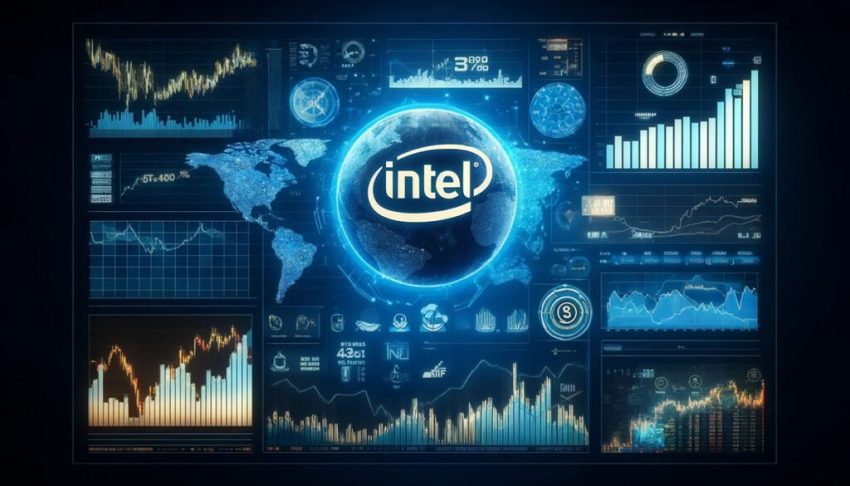
Intel stock analysis has become a focal point for investors as Intel Corporation navigates new developments in the AI computing landscape. On December 15, 2025, the stock saw a slight decline, closing at $37.51, but showed signs of recovery in after-hours trading. Investors are particularly interested in reports surrounding a potential acquisition of SambaNova Systems, a move that could bolster Intel’s position in the competitive AI chip market. Additionally, recent leadership changes at Intel underscore the company’s strategic alignment with U.S. national security and policy priorities, further influencing market sentiment. As analysts evaluate these catalysts, understanding the broader stock market analysis of Intel is key to grasping its future trajectory.
When delving into the performance of Intel shares, it is critical to consider various factors driving the company’s value in the tech sector. As one of the major players in semiconductor manufacturing, Intel’s strategic decisions—including potential mergers and acquisitions—can significantly impact stockholder perceptions and market dynamics. Recent leadership shifts signal a renewed focus on innovation and compliance with regulatory frameworks, reflecting the intertwining of corporate strategy with governmental priorities. Furthermore, the talk of acquiring SambaNova Systems highlights Intel’s commitment to enhancing its capabilities in advanced technologies, particularly in the realm of artificial intelligence. Given these elements, a comprehensive review of Intel’s market positioning and competitive landscape offers valuable insights for stakeholders.
Understanding the Intel Stock Price Dynamics
Intel Corporation’s stock price movements are always a topic of interest for investors, especially amid pivotal news events. As reported, Intel shares closed at $37.51 on December 15, down 0.79% from the previous session. Despite this decline, the stock showed slight recovery in after-hours trading, indicating that investors may still hold some confidence amidst the uncertainty. Key price levels, such as the session’s high of $38.48 and low of $37.32, illustrate the pressures and fluctuations that characterize the current market sentiment surrounding Intel’s operations, particularly regarding its strategic ventures.
The stock’s trading volume of approximately 57.9 million shares also underscores heightened activity, reflecting investor engagement following significant announcements. Analysts note that Intel’s technical positioning is vital as it heads into trading on December 16, with a 52-week range of $17.67 to $44.02 sparking discussions about future price targets. Given the implications of the potential acquisition of SambaNova Systems and leadership changes within the company, market observers are keenly monitoring how these factors will influence stock performance in the near future.
Intel Stock Analysis: Key Drivers Behind Recent Movement
Recent developments at Intel, including acquisition talk and strategic leadership changes, serve as critical drivers for stock analysis. The reported negotiations for the potential acquisition of AI chip startup SambaNova Systems for approximately $1.6 billion signal Intel’s aggressive move into the AI sector. This strategic decision is crucial for Intel as it seeks to enhance its position within the highly competitive AI accelerator market, dominated by key players such as Nvidia. For investors, this acquisition talk represents more than just a financial transaction; it reflects Intel’s commitment to innovation and its willingness to invest in growth areas that could yield significant returns.
Additionally, the changes in Intel’s leadership structure add another layer of complexity to stock analysis. The appointments of key figures in government affairs and technology strategy, with direct ties to national policy and security frameworks, highlight the company’s strategic alignment with broader market trends. Investors are aware that strong leadership can lead to enhanced corporate governance and improved operational execution, factors that can ultimately affect stock performance. These developments prompt a closer examination of how Intel’s leadership decisions will shape its future trajectory in the stock market.
The Impact of AI Chip Acquisition on Intel’s Future
The prospective acquisition of SambaNova Systems is a bold move for Intel, indicating a strategic pivot toward bolstering its capabilities in AI technology. This decision could revolutionize Intel’s market positioning as AI becomes increasingly integral across various computing segments. By integrating SambaNova’s innovative technologies, Intel aims to accelerate its AI roadmap, addressing the growing competition from established leaders like Nvidia. This acquisition, albeit incremental in scale compared to Intel’s overall valuation, signals a proactive response to the escalating demand for AI solutions in the tech arena.
Moreover, the timing of this news aligns with a critical juncture for Intel, as the company navigates a competitive landscape fraught with challenges and opportunities. Successfully acquiring SambaNova could enable Intel to enhance its product offerings in the AI segment, catering more effectively to enterprises seeking advanced computing solutions. This strategic acquisition could ultimately lead to increased investor confidence, as analysts view Intel’s moves in AI as foundational to sustaining long-term growth. Investors are keen to see how this acquisition develops and its potential implications for Intel’s stock valuation.
Leadership Changes and Their Influence on Intel’s Strategy
Intel’s recent leadership changes reflect a significant transition in its corporate governance, aligning closely with its strategic ambitions, especially in technology and policy sectors. The appointment of Robin Colwell as SVP of government affairs showcases Intel’s commitment to navigating the intersection of technology and national security, which is increasingly relevant in today’s geopolitical climate. Such strategic hires signal to investors that Intel is focusing on reinforcing its relationships with policymakers and ensuring that its operational strategies align with governmental priorities.
Furthermore, the transition within Intel’s leadership circles, including the significant role of Annie Shea Weckesser as SVP and chief marketing officer, indicates an intention to enhance external communications and market positioning. As the company seeks to bolster its presence in fast-evolving sectors like AI and advanced manufacturing, strong leadership will be crucial in steering initiatives and driving innovation. Investors are attentive to these changes, recognizing that effective leadership can lead to more agile decision-making and competitive responsiveness, which are vital for sustaining stakeholder confidence in the stock market.
Analyzing Wall Street’s Perspective on Intel Stock
Wall Street’s analysis of Intel’s stock encapsulates a mixture of cautious optimism and critical vigilance, reflecting the intricate dynamics influencing market sentiment. With an average recommendation classified as ‘Hold’ and a target price hovering around $38.30 based on multiple ratings, analysts underscore a cautious outlook tempered by the company’s recent developments. The varied target prices indicated in consensus reports illustrate the divergent opinions among analysts, with some suggesting potential for upside while others foresee risks inherent in the tech sector’s volatility.
Investors should take heed of the implications stemming from market analysis as it can significantly affect trading behavior and stock valuations. The disparity in target prices, some ranging from $20 to $52, points to the uncertainty surrounding Intel’s strategic moves, including the potential impact of the SambaNova acquisition and new leadership dynamics. As market analysts continue to reassess their forecasts in light of emerging updates, Intel stock remains a focal point for those engaged in stock market analysis. Understanding these trends can aid investors in making informed decisions aligned with their investment strategies.
Intel’s Competitive Position in the AI Market
Intel’s strategic focus on enhancing its competitive position within the AI market is particularly noteworthy in light of its discussions regarding the acquisition of SambaNova Systems. As the demand for AI technologies surges, Intel’s efforts to integrate advanced AI capabilities reflect its commitment to remaining relevant amidst competition from tech giants like Nvidia. The potential acquisition not only aims to bolster Intel’s technological portfolio but also showcases a broader strategy to leverage AI as a cornerstone for future growth.
Moreover, the initiative to capture the AI accelerator market highlights Intel’s recognition of the evolving landscape where AI technologies are becoming indispensable. Investors are acutely aware that a successful foray into AI can redefine Intel’s market standing, offering new revenue streams and expanding its customer base. These developments serve as critical indicators for investors evaluating Intel’s future, as the company with a solid AI strategy stands to unlock considerable value and growth potential in a rapidly evolving tech landscape.
Market Trends Influencing Intel’s Stock Performance
Market trends significantly impact Intel’s stock performance, particularly as external factors interweave with the company’s operational strategies. The discussions surrounding national security policies and technological advancements illustrate how macroeconomic factors can influence an individual stock, notably in the technology sector. As Intel navigates these challenges, investors are closely monitoring how market sentiment could sway its stock price, reflecting broader investor confidence or skepticism regarding tech stocks.
Furthermore, shifts in investor preferences toward companies focused on AI and technology can also impact Intel’s market dynamics. As competitors aggressively pursue advancements in AI, Intel’s ability to adapt and respond to these changing preferences will be critical in maintaining market relevance. A keen awareness of market trends and investor sentiment can aid stakeholders in anticipating potential fluctuations in Intel’s stock performance, allowing for strategic adjustments to their investment approaches.
Risks and Opportunities for Intel Stock Investors
Investors in Intel stock must navigate a landscape filled with both risks and opportunities, especially following the announcement of potential leadership changes and acquisition talks. The uncertainty surrounding the company’s future direction draws attention to inherent risks associated with fluctuating stock valuations and competitive pressures. For instance, should the acquisition of SambaNova falter, or if the new leadership fails to align with strategic objectives, investors might experience significant volatility in Intel’s stock price.
Conversely, if Intel successfully integrates SambaNova and leverages its capabilities to enhance its AI offerings, the potential opportunities for growth could outweigh the risks. Strategic acquisitions, when executed effectively, can lead to increased market share and technological advancements. Intel’s drive to innovate and adapt its business model to reflect new realities in tech could resonate positively with investors, creating a compelling opportunity for those looking to gain from Intel’s market re-emergence as a leader in AI and technology innovations.
Understanding the Broader Market Context for Intel
Understanding the broader market context is essential for analyzing Intel’s stock, especially given the current climate of technological change and policy evolution. As tech companies like Intel respond to shifting demands driven by national security and advancing AI technologies, their stock performance will often reflect broader economic indicators. Investor interest in technology stocks remains buoyant, influenced by the global race for AI supremacy and increased investment in digital infrastructure.
Furthermore, market analysts continuously assess how external geopolitical factors and domestic policies can affect tech giants. For Intel, aligning its growth strategies with current market trends and national priorities could bolster its competitive advantage, positioning its stock favorably among investors. A comprehensive understanding of these market dynamics can provide depth to Intel’s stock analysis, encapsulating the multifaceted environment in which the company operates.
Frequently Asked Questions
What are the latest updates on Intel Corporation’s stock analysis?
Intel Corporation (NASDAQ: INTC) has been in focus as it closed at $37.51 after a slight dip of 0.79%. Following the regular session, the stock saw minor gains in after-hours trading, reflecting investor reactions to significant developments surrounding a potential AI chip acquisition and changes in Intel’s leadership.
How does the potential acquisition of SambaNova Systems impact Intel’s stock prospects?
The discussion around Intel’s potential $1.6 billion acquisition of AI chip startup SambaNova Systems could significantly impact Intel stock. This acquisition aims to enhance Intel’s position in the AI accelerator market, presenting a bullish signal for investors looking to understand Intel’s future growth in this competitive space, especially against rivals like Nvidia.
What leadership changes are influencing Intel’s stock analysis?
Recent leadership changes at Intel, including the appointment of Robin Colwell as SVP of government affairs and the interim CTO Pushkar Ranade, are shaping Intel’s strategic direction, particularly in AI and national security. These moves signal a shift that could have positive implications for Intel’s stock performance as the company focuses on policy alignment and technological advancements.
What should investors look for in Intel’s stock market analysis?
Investors examining Intel’s stock should pay attention to key metrics such as trading volumes, stock price fluctuations, and Wall Street’s consensus ratings. Currently, Intel is recommended as a ‘Hold’ with an average target price around $38.30. Monitoring developments in AI acquisitions and leadership strategies will be crucial for understanding potential stock movements.
How does today’s trading reflect the overall sentiment in Intel stock analysis?
Today’s trading of Intel stock, with a high of $38.48 and a volume of approximately 57.9 million shares, indicates a market cautiously optimistic yet uncertain about recent news. The inability to maintain early gains amidst acquisition speculation suggests that while interest is high, investor confidence may still hinge on the outcome of strategic developments.
What is the significance of Intel’s price history for stock analysis?
Intel’s stock price history, with a 52-week range from $17.67 to $44.02, provides context for investors assessing current performance. This range offers insight into volatility and the potential for growth, while also highlighting Intel’s recent struggles compared to historical highs, making its future trajectory a key point of analysis.
| Key Point | Details |
|---|---|
| Stock Performance | Closed at $37.51, down 0.79%; slight increase in after-hours to $37.55 (+0.11%) after trading. |
| Trading Range on December 15, 2025 | Open: $38.33, High: $38.48, Low: $37.32, Volume: ~57.9 million shares. |
| SambaNova Acquisition Talks | In advanced discussions to acquire SambaNova Systems for ~$1.6 billion, aiming to enhance AI capabilities. |
| Leadership Changes | Appointment of Robin Colwell as SVP of government affairs and Annie Shea Weckesser as SVP of marketing. Focus on AI and national security policy. |
| Wall Street Consensus | Average recommendation is ‘Hold’ with target prices ranging from $20 to $52; MarketWatch average target price at $38.30. |
Summary
Intel stock analysis indicates that the company’s recent performance reflects significant market dynamics influenced by potential acquisitions and strategic leadership changes. The acquisition discussions with AI startup SambaNova signal Intel’s ambition to rival competitors in the AI accelerator market. Coupled with the reshuffle of its leadership, which emphasizes policy engagement and technological innovation, these developments position Intel for substantial growth opportunities. Investors are advised to watch its movement closely, especially as Wall Street maintains a cautious stance on the stock.