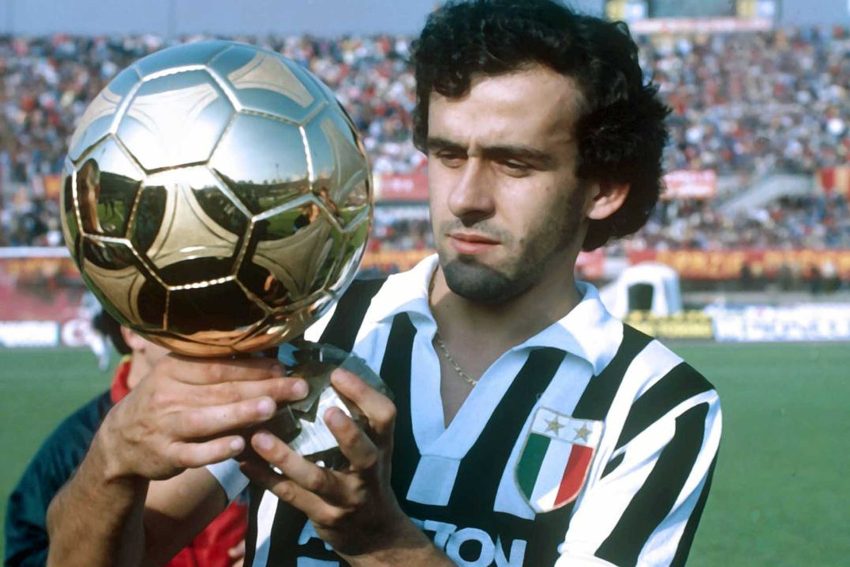
Michel Platini, born on June 21, 1955, in Joeuf, France, is celebrated as one of the greatest French football legends of all time. Renowned for his exceptional skills as an attacking midfielder, Platini captivated fans during his illustrious playing career, winning the title of European Footballer of the Year three times between 1983 and 1985. His remarkable achievements include leading France to its first major international football title at the European Championship in 1984 and crafting a legacy at top clubs like Juventus and AS Nancy. Following his retirement in 1987, he transitioned into football administration, becoming UEFA president in 2007, yet his career faced turmoil amidst the infamous Platini FIFA scandal that marred his late accomplishments. This Michel Platini biography reveals not only the heights of his success but also the significant challenges he faced in the world of football governance.
Regarded as a pivotal figure in soccer history, this account of Michel Platini details his impressive journey from a celebrated player to an influential football administrator. His pivotal role in shaping the landscape of European football during his tenure as Platini UEFA president stands testament to his enduring impact on the sport. Despite his impressive accolades and contributions to football, including astonishing performances in major tournaments, Platini’s career has not been without its controversies, most notably his involvement in the Platini FIFA scandal. As we delve into his career achievements, we gain insight into how this French football icon navigated both triumph and turmoil in his life both on and off the pitch.
The Early Life and Career of Michel Platini
Michel Platini was born on June 21, 1955, in Joeuf, France, where his passion for football began at a young age. Growing up in a family that loved the game, he joined local youth squads before progressing to the professional level. Platini made his first significant mark in his career at AS Nancy, debuting in the French first division in 1973. His talent as an attacking midfielder quickly became apparent, as he showcased his incredible vision, accuracy in passing, and goal-scoring ability. By 1978, he had led AS Nancy to a French Cup victory, setting the stage for his move to Saint-Étienne the following year, where he helped the club clinch a league title in 1981.
In 1982, Platini took his talents to Italy, joining the prestigious club Juventus, where his career reached new heights. His influence on the field was undeniable as he led Juventus to a European Cup final in 1983, earning acclaim both nationally and internationally. The following season, he was instrumental in securing their European Cup title in 1985 and contributed to multiple league titles and domestic cup victories during his time in Turin.
The combination of Platini’s flair and technical skills made him not just a players’ favorite but also earned him a revered status among fans. He was recognized for his tactical awareness, making him a key figure in the French national team. His involvement with the national squad began in 1976, and he would soon become a cornerstone for France in international competitions. This early phase of his career encapsulated the essence of his skills that would be celebrated throughout his life, earning him three prestigious European Footballer of the Year awards from 1983 to 1985.
Michel Platini’s Achievements as UEFA President
After retiring from professional play, Michel Platini transitioned into football administration, where he continued to shape the world of football. In 2007, he was elected as the president of UEFA, representing a significant moment in his career. Under his leadership, UEFA took several steps towards modernizing and enhancing European football, focusing on fair play and financial regulations to maintain the integrity of the sport. Platini’s tenure saw the expansion of the UEFA European Championship and the implementation of Financial Fair Play regulations aimed at promoting financial sustainability within clubs.
During his time as UEFA president, Platini advocated fervently for the improvement of player welfare and the promotion of grassroots football. He championed initiatives that sought to ensure fairness and equal opportunities across member associations, demonstrating his commitment to the broader growth of the game. His leadership also extended to defining UEFA’s role in a rapidly changing football landscape, paving the way for future presidents to promote competitive balance and safeguard the interests of football stakeholders.
Michel Platini and French Football Legends
Michel Platini stands alongside other legendary French footballers who have left indelible marks on the sport. His accomplishments on the pitch during the 1980s echo the legacy of players like Zinedine Zidane and Thierry Henry, who also wore the French jersey with pride. Platini’s skillful play and ability to score decisive goals during crucial matches helped establish a golden era for French football. His legacy is not just marked by individual awards but also by the national pride he instilled in fans, culminating in France’s victory at the 1984 European Championship, the nation’s first major international title.
Beyond his personal records and accolades, Platini’s influence continues to inspire a generation of footballers. He paved the way for the modern attacking midfielder, influencing playing styles across Europe. His achievements on the pitch have solidified his status as one of the greatest footballers, and his name still resonates with the historic triumphs of French football. Many view Platini not only as a footballer but as an embodiment of the passion and skill that characterizes the beautiful game in France.
The Controversial FIFA Scandal
The glittering career of Michel Platini was somewhat overshadowed by the controversies that arose during his transition from player to administrator. In December 2015, he found himself embroiled in a scandal that would shape the latter part of his career and reputation. Platini was banned from international football for eight years following an investigation that unveiled an improper payment made to him by Sepp Blatter, the then-president of FIFA. This incident was part of a wider corruption scandal that implicated numerous officials within FIFA, leading to significant upheaval within the organization.
Despite the challenges, Platini’s ban was eventually reduced to four years on appeal. However, the damage to his standing in the football community was significant, leading to his resignation from UEFA in May 2016. The fallout from the scandal raised questions about ethics and governance in football, and Platini’s case was a focal point for discussions about integrity in sports. The implications of these events resonate even today, contributing to ongoing reforms aimed at combating corruption within football governing bodies.
Legacy of Michel Platini in European Football
Michel Platini’s legacy in European football is multifaceted, characterized by his transformative impact both as a player and administrator. He is often celebrated for elevating the profile of European competitions through his vision during his presidency at UEFA. His commitment to improving the structure and governance of football had lasting effects, as he advocated for reforms that promoted a more equitable playing field. Under his leadership, initiatives such as the expansion of the UEFA Euros and the establishment of fair play standards ideally represented his ambition to create a more competitive and ethical environment in European football.
Moreover, Platini’s contributions extended beyond policy changes; he inspired countless young athletes with his playing style and dedication. His remarkable career continues to serve as a benchmark for aspiring football professionals, underscoring the importance of technical excellence combined with character and leadership. The profound respect he commanded in football circles is a testament to his dedication to the sport, ensuring that his name remains synonymous with both excellence and integrity in European football.
The Evolution of French Football During Platini’s Era
During Michel Platini’s illustrious career, the landscape of French football underwent significant evolution. As a pivotal figure, he contributed to a renaissance in the national team’s performance, which marked the transition to a new era of success. His ability to galvanize the squad was evident during the 1984 European Championship, where he played a central role in leading France to their first major international title. Platini’s blend of talent, vision, and hard work instilled confidence in his teammates, setting a new standard for national pride and competitiveness.
Furthermore, Platini’s influence extended to the domestic league, where his performances helped to elevate Ligue 1’s profile on the international stage. As he transitioned into administrative roles, his insights and experience shaped policies aimed at fostering talent development within French clubs. His commitment to enhancing the quality of football has contributed significantly to the emergence of subsequent generations of footballers who have continued the legacy he helped establish, highlighting the importance of a strong foundational structure in nurturing football talent.
Post-Retirement Career and Coaching
Following his retirement from professional football in 1987, Michel Platini explored a new avenue in his career: coaching. Appointed as the head coach of the French national team in 1988, he aimed to translate his playing experience into managerial success. His tenure, however, was short-lived, as he resigned in 1992 after a series of disappointments that included failing to qualify for the 1994 World Cup. Nevertheless, this experience further proved his dedication to French football and his desire to influence the game from the sidelines.
In addition to coaching, Platini played an integral role in organizing the 1998 World Cup held in France, serving as co-president of the organizing committee. His efforts contributed to the success of the tournament and showcased his ability to transition from player to administrator effectively. This role, along with his subsequent involvement in FIFA and UEFA, illustrates Platini’s commitment to promoting and enhancing the sport at a global scale, ensuring that his legacy extends well beyond his playing days.
Michel Platini’s Enduring Impact on Modern Football
Michel Platini remains a towering figure in modern football, representing the ideal blend of talent, ambition, and leadership. His influence transcended his playing career, shaping the way football is governed and played in Europe today. Platini’s vision for the sport included greater inclusivity and equitable development for young players, an initiative that resonates with the ongoing shifts in football governance aimed at creating a more balanced competitive landscape. His passion and dedication to the beautiful game have inspired countless individuals across the globe.
Additionally, the lessons learned from Platini’s career regarding the intersections of sports and ethics continue to be relevant today. His experiences, particularly those related to the FIFA scandal, serve as cautionary tales that inform current discussions about integrity in sports management. As the football world evolves, the principles Platini championed during his tenure, such as fair play and transparency, remain crucial in navigating the challenges faced by modern football, establishing his unmatched legacy as a pivotal force in the sport.
Reflections on Michel Platini’s Career and Future Aspirations
Reflecting on Michel Platini’s career reveals a narrative rich with achievement, passion, and complexity. His journey from a promising young player in Nancy to becoming one of the most influential figures in European football is an inspiring story of determination and excellence. Platini’s awards, including three European Footballer of the Year titles, underline his impact on the game, while his presidency at UEFA showcased his ambition to foster development and enhance football’s governance. The highs and lows of his later career, particularly the controversies surrounding his FIFA involvement, add layers to his legacy, prompting discussions on ethics in sports.
Looking forward, Platini’s influence can still be felt within football circles, as the governance challenges he faced continue to inform the paths that future leaders will take within the sport. His experiences offer valuable lessons for emerging football administrators striving for transparency and fairness in modern football. While the controversies may have clouded his reputation, Platini’s accomplishments will always remain a testament to his skill, determination, and commitment to the beautiful game.
Frequently Asked Questions
What are the key achievements in Michel Platini’s biography?
Michel Platini is celebrated for achieving the prestigious title of European Footballer of the Year three times from 1983 to 1985. His illustrious career includes winning the 1984 UEFA European Championship with France, where he was also the tournament’s top scorer. Platini played pivotal roles at AS Nancy, Saint-Étienne, and Juventus, leading his teams to multiple domestic and international titles, including the European Cup in 1985.
How did Michel Platini become UEFA president?
Michel Platini became the UEFA president in 2007 after a successful career as a player and administrator in football. His experience as a three-time European Footballer of the Year and his role in various football governance bodies made him a strong candidate for the presidency, where he focused on promoting European football values and enhancing the game’s integrity.
What are some notable contributions of Michel Platini to French football legends?
Michel Platini is a key figure among French football legends, known for his exceptional playmaking ability as an attacking midfielder. He significantly contributed to France’s football heritage, especially by leading the national team to its first major title at the 1984 European Championship and by inspiring future generations of players with his skill and vision on the field.
What controversies surrounded Michel Platini during his time in football administration?
Michel Platini was embroiled in significant controversy when he was banned from international football for eight years due to a FIFA investigation into an improper payment received from Sepp Blatter. This occurred in the context of the 2015 FIFA corruption scandal, leading to his resignation from UEFA in 2016. His ban was later reduced to four years, but he continued to face scrutiny over allegations related to the 2022 World Cup bidding process.
What were Michel Platini’s major achievements with Juventus?
During his time at Juventus from 1982 to 1987, Michel Platini amassed several remarkable achievements, including winning the 1985 European Cup, two Serie A titles (1984, 1986), a UEFA Super Cup, and a European Cup Winners’ Cup. Platini’s performance helped elevate Juventus to international prominence and solidified his legacy as one of the club’s greatest players.
How did Michel Platini influence international football during his presidency at UEFA?
As UEFA president, Michel Platini played a crucial role in reshaping European football policies, introducing the UEFA Financial Fair Play regulations aimed at ensuring clubs operated sustainably. He also advocated for increased funding for grassroots football and pushed for the expansion of the UEFA European Championship to include more teams, enhancing competition and visibility for smaller nations.
What did Michel Platini achieve in international competitions with France?
Michel Platini’s primary achievement with the French national team was winning the 1984 UEFA European Championship, where he was the tournament’s top scorer. He also led France to a fourth-place finish in the 1982 World Cup and helped the team secure a third-place finish in the 1986 World Cup, leaving an indelible mark on French football’s history.
What impact did the FIFA scandal have on Michel Platini’s career?
The FIFA scandal had a devastating impact on Michel Platini’s career, leading to an eight-year ban from football, which was reduced to four years on appeal. The controversy forced him to resign from his role as UEFA president in 2016, overshadowing his previous achievements and contributions to the sport. Despite the challenges, Platini’s legacy as a player and a leader in football remains significant.
| Key Points |
|---|
| Michel Platini’s Birth and Early Career |
| Born June 21, 1955, in Joeuf, France; debuted with AS Nancy in 1973. |
| Club Success |
| Led AS Nancy to a French Cup victory in 1978; played for Saint-Étienne, winning the league title in 1981; transferred to Juventus in 1982, where he won a European Cup in 1985 and two league titles. |
| International Career |
| Debuted for the French national team in 1976; top scorer of UEFA Euro 1984; led team to a fourth-place finish in the 1982 World Cup. |
| Coaching and Administrative Roles |
| Became the French national team coach in 1988; elected UEFA president in 2007 after holding various roles in FIFA and UEFA. |
| Controversies and Bans |
| Banned from football for eight years in 2015 due to a FIFA investigation; ban reduced to four years on appeal; involved in corruption inquiries post-retirement. |
Summary
Michel Platini is recognized not only as one of the greatest footballers of his era but also as a significant figure in football administration. From his remarkable career as a player, where he achieved multiple titles with Juventus and led France to its first major international trophy, to his controversial administrative tenure at UEFA, Platini’s impact on the sport is undeniable. Despite facing challenges and legal issues later in his career, his legacy as a player and a football leader remains profound.