The wealthiest billionaires of our time have seen staggering increases in their fortunes, particularly evident in 2025 when the richest 500 individuals collectively added a jaw-dropping $2.2 trillion to their wealth. This unprecedented surge was largely driven by market dynamics in cryptocurrency, stocks, and precious metals, along with significant political shifts such as Donald Trump’s electoral win. Among these fortunate few, titans like Elon Musk and Jeff Bezos dominated, contributing more than half of the overall gains and underscoring the growing financial inequality in our society. An Oxfam report highlights this disparity, revealing that this wealth increase could have uplifted 3.8 billion people from poverty, raising questions about the sustainability of such concentrated wealth. As the dynamics of wealth continue to evolve, monitoring the fortunes of top billionaires will be crucial in understanding the implications for global economic structures.
In today’s economic landscape, the richest individuals are often referred to as ultra-high-net-worth individuals, a term that encompasses those with fortunes soaring into the billions. The year 2025 has marked a historic moment for these affluent moguls, whose wealth accumulation has implications not only for their own economic standing but for broader societal issues as well. As highlighted in various analyses, including the findings from Oxfam, the remarkable escalation of wealth faced by prominent figures such as Elon Musk, Jeff Bezos, and Larry Ellison raises critical discussions about financial equity and the responsibility of billionaires. With wealth concentration at an unprecedented level, examining the shifts in net worth among these elites provides insight into the future of financial disparities and the ability of economies to thrive amidst such inequalities. The discourse around top-tier millionaires is essential as we navigate these challenges and seek solutions for a more balanced financial ecosystem.
The Wealthiest Billionaires: Who Made the Cut in 2025?
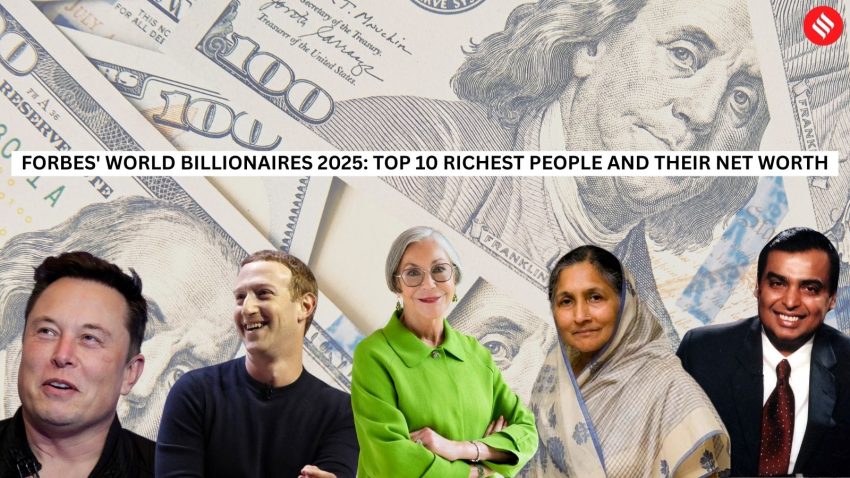
In 2025, the wealthiest billionaires solidified their positions at the top of the financial ladder, with eight individuals having an outsized impact on the global economy. According to the Bloomberg Billionaires Index, these billionaires collectively contributed to a staggering rise of $2.2 trillion, demonstrating not only their financial prowess but also the growing economic disparity within the world. Notably, Elon Musk and Jeff Bezos led the charge, with Musk’s net worth skyrocketing by $190.3 billion, pushing him past the $600 billion mark. These figures serve as a glaring reminder of how a small group controls a significant portion of global wealth, raising questions about financial inequality and its implications for society at large.
This enormous increase in wealth has sparked discussions about the sustainability of such disparities. While the rich continue amassing fortunes, many around the globe remain entrenched in poverty. The Oxfam report highlights a stark reality: the wealth increase experienced by billionaires in 2025 could have potentially lifted millions out of poverty. This juxtaposition of wealth accumulation versus public wealth decline is alarming, prompting calls for policy reforms aimed at wealth distribution and addressing the detrimental effects of financial inequality in our society.
Frequently Asked Questions
How did the wealth of the wealthiest billionaires change in 2025?
In 2025, the wealth of the wealthiest billionaires surged by a record $2.2 trillion, primarily due to strong gains in cryptocurrencies, stocks, and metals. Just eight billionaires accounted for a significant portion of these gains, illustrating the concentration of wealth among the top billionaires.
What factors contributed to the increase in billionaires’ wealth in 2025?
The increase in wealth for the wealthiest billionaires in 2025 was largely driven by billionaire Donald Trump’s electoral victory in 2024 and robust market conditions. As a result, the collective net worth of the richest 500 individuals climbed to $11.9 trillion.
Which billionaires contributed the most to wealth increases in 2025?
In 2025, the eight wealthiest billionaires, including Elon Musk and Jeff Bezos, contributed to 43% of total net worth gains among the wealthiest individuals, with Elon Musk’s net worth increasing by $190.3 billion, reaching $622.7 billion.
How do the wealth increases among billionaires relate to financial inequality issues?
The vast wealth increases among billionaires highlight ongoing financial inequality issues, as reported by Oxfam. The $2.2 trillion added to the wealth of the richest individuals could have lifted 3.8 billion people out of poverty, underscoring the disparities in wealth distribution.
What are the implications of the Oxfam report regarding the top billionaires’ wealth?
The Oxfam report suggests that the wealth increase among the wealthiest billionaires is a reflection of systemic financial inequality, indicating that while billionaires accumulate wealth, public wealth remains stagnant and the burden of debt continues to escalate.
How did Elon Musk’s net worth compare to other billionaires in 2025?
In 2025, Elon Musk’s net worth of $622.7 billion positioned him among the top billionaires, reflecting a staggering increase of $190.3 billion, showcasing his dominance in wealth accumulation compared to other billionaires.
What was the impact of market trends on the wealthiest billionaires in 2025?
Market trends in cryptocurrencies, stocks, and metals substantially influenced the wealth of the wealthiest billionaires in 2025, resulting in substantial increases in their net worth amid a backdrop of financial inequality.
What decline in billionaire wealth occurred in 2025, and who was affected?
While many billionaires saw considerable increases in their wealth, some, like Philippine billionaire Manuel Villar, faced declines. Villar lost $12.6 billion, illustrating the volatility and risks that can affect even the wealthiest individuals.
| Key Points | Details |
|---|---|
| Record Wealth Increase | The richest 500 individuals added $2.2 trillion to their wealth in 2025. |
| Top Contributors | Eight billionaires accounted for 25% of the total gains. |
| Notable Billionaires | Elon Musk, Jeff Bezos, Larry Ellison, and Larry Page among the wealthiest contributing to gains. |
| Net Worth Concentration | These eight individuals contributed to 43% of total net worth gains in 2024. |
| Largest Net Worth Growth | Ellipse saw a $57.7 billion increase, Musk’s rose $190.3 billion. Rinehart’s net worth nearly tripled. |
| Net Worth Declines | Manuel Villar lost $12.6 billion, resulting in a $10 billion total after company stock drop. |
| Impact on Poverty | According to Oxfam, the wealth increase could have lifted 3.8 billion people out of poverty. |
Summary
The wealthiest billionaires have seen unprecedented gains, with a staggering increase of $2.2 trillion recorded in 2025, primarily driven by eight prominent individuals. This stark revelation highlights the immense concentration of wealth among the richest, raising concerns about inequality amidst global poverty. As billionaires like Elon Musk, Jeff Bezos, and Larry Ellison skyrocket in wealth, the disparity grows more pronounced, prompting urgent discussions about wealth distribution and societal impact.