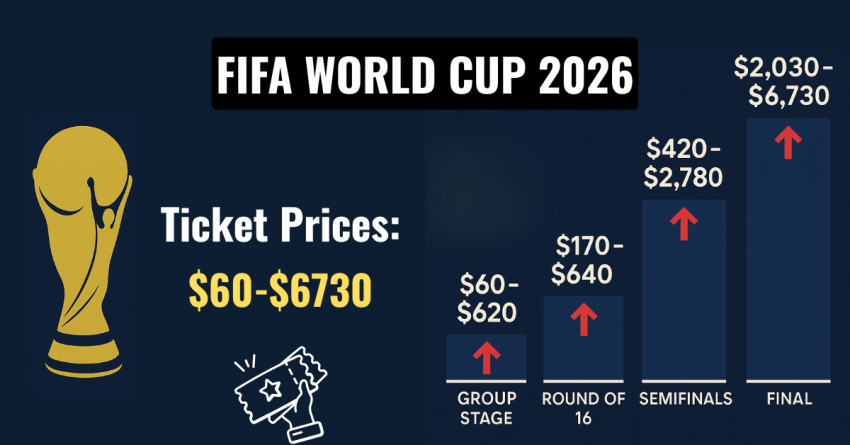
As the excitement builds for the upcoming 2026 World Cup, the topic of World Cup ticket prices is sparking intense discussions among fans worldwide. FIFA President Gianni Infantino recently highlighted an incredible demand, with over 150 million ticket requests already submitted, leading to prices that some fans find bewilderingly high. For the eagerly awaited tournament, ticket prices range dramatically from $140 for initial rounds to a staggering $8,680 for premium seats at the final match. While many fans expressed outrage at these costs, Infantino argues that the proceeds will significantly contribute to global soccer development. As he posits that “without FIFA, there would be no football in 150 countries,” it becomes clear that FIFA’s approach to ticket sales reflects broader financial strategies behind the event.
With the 2026 FIFA World Cup on the horizon, discussions surrounding the cost of attending matches are more relevant than ever. The ticket pricing structure, which stretches from several hundred to thousands of dollars, has raised eyebrows among soccer enthusiasts and event-goers alike. In light of Gianni Infantino’s recent statements on FIFA ticketing news, the increasing demand for World Cup tickets is evident, as applications reach unprecedented numbers. While FIFA has introduced a lower price tier to alleviate some concerns, many still feel the impact of escalating costs on their ability to access the games. These debates surrounding ticket sales embody the tension between financial accessibility and the lucrative nature of hosting one of the world’s largest sporting events.
Understanding FIFA’s Rationale for High Ticket Prices
FIFA President Gianni Infantino has faced significant backlash regarding the high ticket prices for the upcoming 2026 World Cup. He defended the pricing structure, emphasizing that the proceeds from ticket sales will fund soccer development worldwide. Infantino highlighted that the profitability generated from this global tournament allows FIFA to invest in football infrastructures in various countries, reinforcing the idea that the World Cup is not just a sporting event but a vital source of revenue that aids in nurturing football at grassroots levels.
The high demand for these tickets, evidenced by over 150 million requests, showcases the tournament’s unparalleled popularity. Infantino’s remarks at the World Sports Summit shed light on the complexity surrounding ticketing. While fans express concerns over affordability, FIFA maintains that such revenues are essential for sustaining the sport’s growth globally. This delicate balance between price, fans’ access, and the growth of soccer illustrates the challenging dynamics FIFA has to navigate.
Ticket Prices for the 2026 World Cup: What to Expect
The ticket prices for the 2026 World Cup have stirred controversy among soccer fans, particularly with costs ranging from $140 to a staggering $8,680 for premier seats at finals. This pricing reflects a significant jump from previous World Cups, leading many to question whether this strategy undermines accessibility. The U.S. opening match against Paraguay, perceived as a pivotal event, brings with it some of the highest ticket prices ever seen, raising concerns about how demographics influence attendance and viewership.
In response to criticism, FIFA introduced a special tier of $60 tickets aimed at fans of the participating teams. However, this compromise will only account for a small percentage of the overall ticket availability. While the intent is to make the event more inclusive, it begs the question of whether these measures are sufficient to bridge the gap for average fans. As the sales window continues until January 13, interested patrons need to weigh their options carefully, considering the demands and potential rejections associated with high ticket requests.
The Surging Demand for World Cup Tickets
The 2026 World Cup has witnessed an extraordinary surge in ticket requests, surpassing 150 million during the latest application period. This unprecedented interest clearly illustrates the global allure of the tournament, perhaps more than ever before. Gianni Infantino described the sheer volume of requests as ‘absolutely crazy,’ highlighting the event’s ability to capture the attention of millions across continents. Such demand raises interesting discussions about the future of soccer ticket sales and how FIFA adapts to evolving consumer expectations.
As the excitement builds, the dynamics of ticket sales at the World Cup reflect broader trends in sports marketing and fan engagement. The operational strategies put in place by FIFA aim to streamline accessibility amid soaring requests. With soccer ticket sales becoming increasingly competitive, fans are encouraged to remain proactive during the sales process, contributing to the mounting pressure on FIFA to satisfy consumer expectations while achieving financial goals in support of global soccer initiatives.
FIFA’s Commitment to Global Soccer Development
During his address, Infantino stressed that the revenues generated from the World Cup would play a pivotal role in funding various soccer development programs around the world. This commitment speaks to FIFA’s broader vision of fostering the growth of the sport beyond just elite competitions. By channeling funds raised through ticket sales into programs that develop young talent and improve infrastructure, FIFA asserts its purpose of ensuring the sustainability of soccer in developing nations.
Moreover, the emphasis on global development is crucial in light of the substantial criticism FIFA often faces regarding its financial practices. Infantino’s statements reveal an intention to reassure fans and stakeholders alike that the funds are for a greater cause. This transparency in usage of ticket revenues could bolster FIFA’s reputation as a governing body devoted to nurturing football everywhere, particularly in countries that lack the resources to promote the sport effectively.
Gianni Infantino’s Response to Ticket Pricing Controversy
Gianni Infantino’s recent comments in Dubai showcased his readiness to engage in the dialogue surrounding ticket pricing. He acknowledged the dissatisfaction expressed by fans but framed the high prices in the context of sustained quality and future investments in soccer development. This contrasts with perceptions of exorbitance that might alienate a segment of soccer lovers, leaving Infantino with the task of bridging this divide while defending the economic aspects of the tournament.
Furthermore, the FIFA President’s attempt to contextualize ticket prices within the broader financial framework of World Cup operations—balancing revenue generation and development—demonstrates a strategic communication effort. Infantino aims to solidify understanding among fans that revenue generated is not simply profit-driven but is pivotal for advancing the future of soccer on a global stage. Whether this strategy will quell dissatisfaction remains to be seen, but it presents FIFA’s stance on promoting both awareness and appreciation of the sport on a global level.
Analyzing FIFA’s Special Pricing for Team Fans
In light of the criticism regarding the general ticket prices, FIFA’s introduction of $60 tickets for fans of participating teams aims to foster a sense of inclusion and connection. This decision reflects an understanding of the commitment that fans have for their national teams. Providing affordable options serves to encourage greater participation from dedicated supporters who may otherwise find it challenging to secure attendance due to financial constraints, solidifying the World Cup’s image as a global event.
However, there are limitations to this approach as these cheaper tickets will only make up a minor portion of the overall availability, leading to speculative discussions on their impact on fan experience and demographics present at the matches. It raises intricate questions regarding accessibility and equity, particularly when juxtaposed with the remainder of the pricing structure that appears to cater more to premium experiences. As the tournament approaches, monitoring how these pricing strategies translate to real-world ticket purchases will be critical in judging FIFA’s success in managing fan relations.
The Role of Technology in Ticket Sales Management
As FIFA prepares for one of its most anticipated tournaments yet, technology plays a critical role in managing the unprecedented volume of ticket requests. With over 150 million inquiries during the sales window, innovative solutions are necessary to ensure fair distribution and accessibility. The use of online portals for ticket sales not only streamlines the application process but also ensures robustness against potential bottlenecks or unethical practices such as scalping.
By integrating current digital tools, FIFA can better analyze demand patterns, providing insights that assist in future events. This technological approach is integral to enhancing the fan experience, ensuring transparency, and building trust among consumers. As ticketing remains one of the most scrutinized components of major sporting events, FIFA’s commitment to leveraging technology sets a precedent for modern sports governance and customer engagement.
Comparing 2026 World Cup Ticket Prices to Previous Tournaments
As the buzz around the 2026 World Cup intensifies, fans are naturally inclined to compare current ticket prices with those from previous tournaments. Historically, the cost of tickets has varied significantly, influenced by multiple factors including location, economic conditions, and tournament prestige. The stark increase in the base prices for matches in 2026 is particularly noticeable, raising eyebrows among traditional soccer audiences who may struggle with current economic pressures.
This sharp price increase highlights not only the expanding commercial approach of FIFA but also reflects the evolving nature of soccer as a global commodity. Fans are faced with a complicated choice: either invest in a potentially once-in-a-lifetime experience or watch from afar. Such comparisons to previous World Cups could encourage FIFA to reassess its strategies in relation to fans’ financial realities in the lead-up to the tournament.
The Impact of Global Events on World Cup Ticket Demand
The recent surge in demand for World Cup tickets can be attributed to a combination of factors, including the overall economic climate and the resurgence of global sporting events in a post-pandemic world. As people are eager to return to stadiums and engage in world-class sports, the anticipation surrounding the 2026 World Cup is palpable. This heightened enthusiasm for soccer is propelled by factors like national pride, the thrill of live sports, and the collective experience of fans coming together for a favorite event.
Furthermore, as nations prepare to host the World Cup across three countries—U.S., Canada, and Mexico—the excitement escalates with the hopes of not just local but international spectators. Each nation brings its own unique culture to the celebration of soccer, amplifying the significance of this event and boosting ticket demand. The narrative of global events positively influencing soccer ticket sales highlights how meaningful these tournaments are in shaping collective experiences among fans around the world.
Frequently Asked Questions
What are the ticket prices for the 2026 World Cup?
Ticket prices for the 2026 World Cup range from $140 for some initial round games to $8,680 for the most expensive seats in the final. The cheapest ticket for the final is priced at $4,185. FIFA has also introduced a special tier of $60 tickets for fans of participating teams, though this will be a limited offering.
How does FIFA justify the high ticket prices for the World Cup?
FIFA President Gianni Infantino has justified the high ticket prices by stating that most proceeds from the 2026 World Cup will be reinvested into global soccer development. He emphasized that these revenues support football in numerous countries, asserting that without FIFA, many regions would lack organized football opportunities.
What is the demand for tickets like for the 2026 FIFA World Cup?
The demand for tickets for the 2026 FIFA World Cup is unprecedented, with over 150 million ticket requests submitted during the latest sales window. This remarkable interest reflects the World Cup’s significant allure and the massive following soccer has worldwide.
Who can apply for the special $60 tickets for the World Cup?
The special $60 tickets for the 2026 World Cup are available primarily intended for fans of the participating teams. However, this pricing tier constitutes a small fraction of the total ticket sales, so availability may be limited.
When is the ticket application period for the 2026 World Cup?
The current ticket application period for the 2026 World Cup opened on December 11 and will remain open until January 13. During this time, fans can apply for tickets for any of the 104 tournament games.
Will the timing of my ticket application affect my chances of getting World Cup tickets?
According to FIFA, the timing of your ticket application will not impact your chances of securing tickets for the 2026 World Cup. All applications submitted during the sales window will have equal consideration.
| Aspect | Details |
|---|---|
| Ticket Demand | Over 150 million ticket requests were received, showcasing unprecedented demand. |
| Pricing Range | Tickets range from $140 for initial round matches to $8,680 for the most expensive seats at the final. |
| Special Ticket Tier | $60 tickets will be available for fans of the participating teams, but this is a limited offering. |
| Response to Outrage | Infantino states that proceeds will support global soccer development, defending the high prices. |
| Sales Window | Ticket applications open until January 13; timing does not affect chances of success. |
Summary
World Cup ticket prices have sparked significant discussion among fans, given their notably high costs. FIFA President Gianni Infantino emphasized that the record demand for tickets, with over 150 million requests, underscores the tournament’s global appeal. Despite criticism over ticket prices that reach up to $8,680 for premium seats, Infantino defended this by stating that the majority of revenue will be invested in the development of soccer worldwide. This commitment to reinvestment aims to support football in countries far and wide, illustrating FIFA’s philosophy that high ticket prices are fundamental for the growth of the sport globally.