
What is Artificial Intelligence (AI)?
Artificial Intelligence (AI) refers to the simulation of human intelligence in machines that are programmed to think, learn, and make decisions like humans. These systems can perform tasks such as problem-solving, speech recognition, language translation, and even creative thinking.
In 2026, AI is no longer futuristic—it’s deeply integrated into our daily lives, from smartphones to self-driving cars.
How Does Artificial Intelligence Work?
AI operates through a combination of algorithms, data, and computational power. At its core, AI systems learn patterns from data and use those patterns to make predictions or decisions.
🔑 Key Components of AI:
- Machine Learning (ML): Enables systems to learn from data without explicit programming
- Neural Networks: Inspired by the human brain, used for deep learning tasks
- Natural Language Processing (NLP): Helps machines understand human language
- Computer Vision: Allows machines to interpret visual data
🧩 AI Workflow Simplified:
- Data Collection
- Data Processing
- Model Training
- Testing & Validation
- Deployment
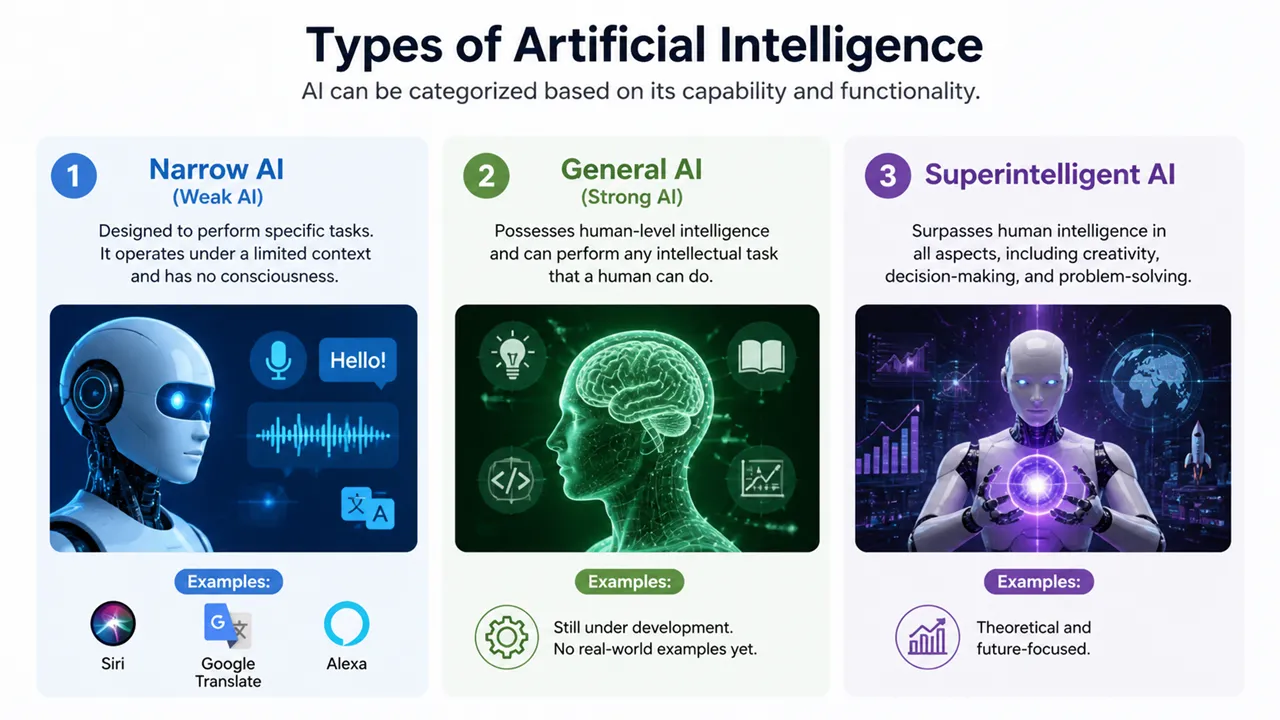
Types of Artificial Intelligence
AI can be categorized based on capability and functionality:
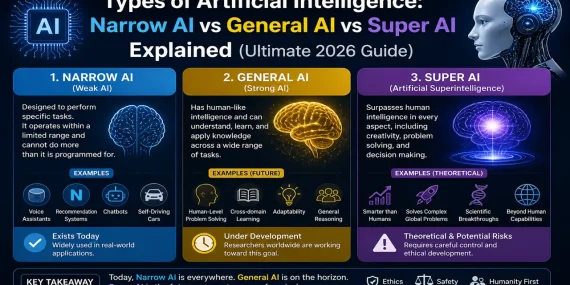
1. Narrow AI (Weak AI)
- Designed for specific tasks
- Examples: Siri, Google Translate
2. General AI (Strong AI)
- Human-like intelligence across tasks
- Still under development
3. Superintelligent AI
- Surpasses human intelligence
- Theoretical and future-focused
Real-World Applications of AI
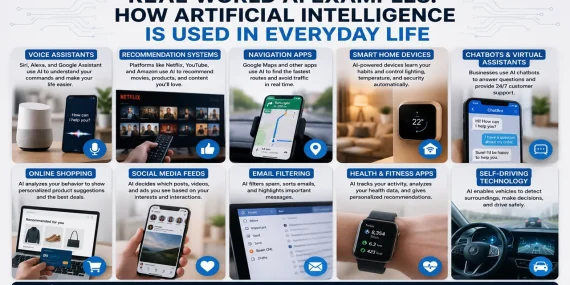
AI is transforming industries at scale. Here are the most impactful use cases:
💰 Business & Marketing
- Predictive analytics
- Chatbots and customer service automation
- Personalized recommendations
🏥 Healthcare
- Disease diagnosis (e.g., cancer detection)
- Drug discovery
- Robotic surgeries
🚗 Transportation
- Autonomous vehicles
- Traffic optimization
🛒 E-commerce
- Smart product recommendations
- Dynamic pricing
🎓 Education
- Adaptive learning platforms
- AI tutors
Benefits of Artificial Intelligence
- ⚡ Increased efficiency and automation
- 📊 Data-driven decision making
- 💡 Innovation across industries
- 🕒 Time and cost savings
Challenges and Risks of AI
- 🔐 Data privacy concerns
- 🤖 Job displacement
- ⚖️ Ethical issues
- 🧠 Bias in algorithms
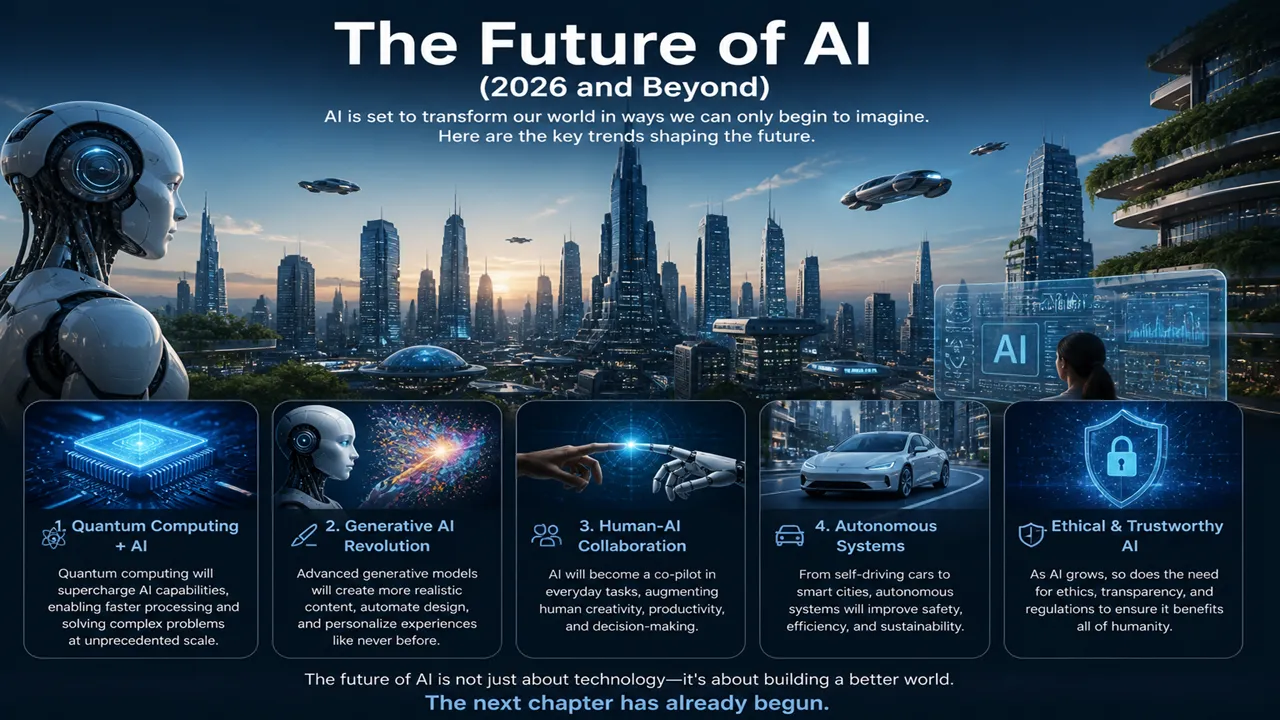
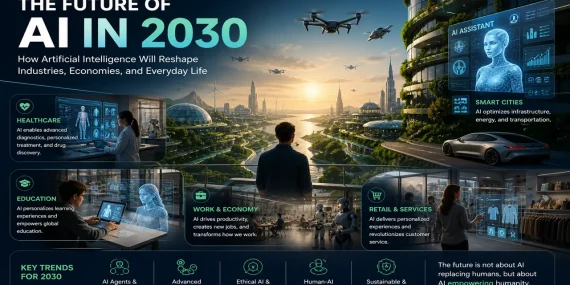
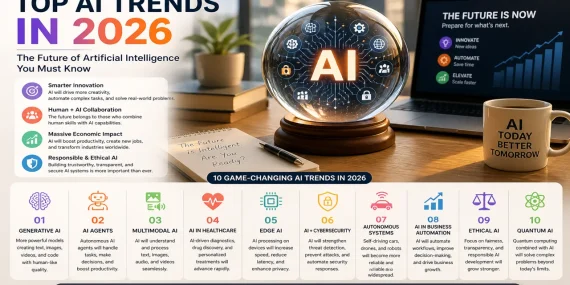
The Future of AI (2026 and Beyond)
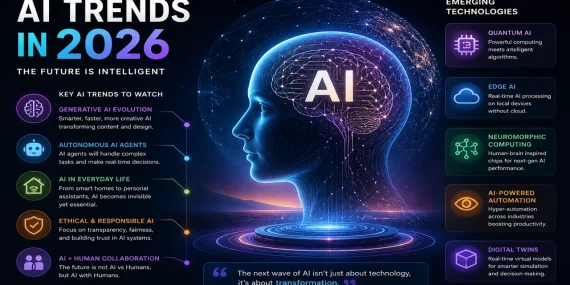
AI is expected to evolve rapidly with advancements in:
- Quantum computing
- Generative AI (like ChatGPT, Sora)
- Human-AI collaboration
- Autonomous systems
Companies investing in AI today are positioning themselves as leaders of tomorrow.
Final Thoughts
Artificial Intelligence is not just a trend—it’s a technological revolution. Understanding how AI works, its types, and its applications is crucial for anyone looking to stay ahead in the digital age.
Whether you’re a business owner, developer, or curious learner, mastering AI concepts can unlock massive opportunities.
FAQ: Artificial Intelligence Explained
Artificial intelligence (AI) is the ability of machines to simulate human intelligence. It allows computers to learn from data, recognize patterns, and make decisions similar to how humans think and act.
AI is not replacing humans entirely; it is designed to enhance human capabilities. While some repetitive tasks are automated, AI also creates new opportunities and helps people work more efficiently.
Common examples of AI include voice assistants like Siri and Alexa, recommendation systems used by Netflix and Amazon, self-driving cars, and customer service chatbots.



Comments are closed.