Introduction: Artificial Intelligence Is Already Everywhere
Artificial Intelligence (AI) has quietly become one of the most influential technologies in modern life. While many people still think of AI as futuristic, the reality is that it is already deeply integrated into everyday activities.
From unlocking your smartphone to receiving personalized recommendations on streaming platforms, AI is constantly working behind the scenes. For beginners, understanding real-world AI examples is the best way to grasp how this technology functions and why it matters.
This guide explores how AI is used in daily life across multiple industries, using structured explanations, tables, and comparisons to make complex ideas simple and actionable.
What Is Artificial Intelligence in Everyday Context?
Artificial Intelligence refers to systems that can simulate human intelligence. These systems can:
- Learn from data
- Recognize patterns
- Make decisions
- Understand language
- Solve problems
Unlike traditional software, AI improves over time through data and experience.
AI in Smartphones: Everyday Intelligence in Your Pocket
Smartphones are one of the most accessible examples of AI.
Key Applications
- Voice assistants (speech recognition and NLP)
- Predictive typing and autocorrect
- Face recognition and biometric security
- Camera enhancements (AI photography)
Table: AI Features in Smartphones
| Feature | AI Function | Benefit |
|---|---|---|
| Voice Assistant | Natural Language Processing | Hands-free control |
| Face Unlock | Computer Vision | Enhanced security |
| Predictive Text | Machine Learning | Faster typing |
| Camera AI | Image Processing | Better photos |
AI in Social Media Platforms
Social media platforms rely heavily on AI to personalize user experience.
How AI Works in Social Media
- Tracks user behavior
- Analyzes engagement patterns
- Recommends content
Table: AI in Social Media vs Traditional Systems
| Feature | AI-Based System | Traditional System |
|---|---|---|
| Content Feed | Personalized | Chronological |
| Recommendations | Behavior-based | Manual selection |
| Moderation | Automated detection | Human review |
AI in Online Shopping and E-commerce
AI has completely transformed how people shop online.
Key Use Cases
- Product recommendations
- Dynamic pricing
- Customer support chatbots
Comparison: AI Shopping vs Traditional Shopping
| Aspect | AI-Driven E-commerce | Traditional Retail |
|---|---|---|
| Recommendations | Personalized | Generic |
| Pricing | Dynamic | Fixed |
| Customer Support | Instant AI chatbots | Human-only |
| Experience | Data-driven | Static |
AI in Transportation and Navigation
Transportation systems use AI to improve efficiency and safety.
Applications
- Traffic prediction
- Route optimization
- Autonomous driving
Table: Navigation With vs Without AI
| Feature | AI Navigation | Traditional Navigation |
|---|---|---|
| Traffic Updates | Real-time | Delayed |
| Route Suggestions | Optimized | Static |
| ETA Accuracy | High | Moderate |
AI in Healthcare
Healthcare is one of the most impactful areas of AI.
Applications
- Disease detection
- Medical imaging analysis
- Personalized treatment
Comparison Table: AI vs Human Diagnosis
| Aspect | AI Diagnosis | Human Diagnosis |
|---|---|---|
| Speed | Very fast | Slower |
| Accuracy | High (data-driven) | Experience-based |
| Scalability | High | Limited |
AI in Finance and Banking
AI enhances security and decision-making in finance.
Use Cases
- Fraud detection
- Credit scoring
- Algorithmic trading
Table: AI in Finance
| Application | AI Role | Benefit |
|---|---|---|
| Fraud Detection | Pattern recognition | Increased security |
| Credit Scoring | Data analysis | Fairer decisions |
| Trading | Automation | Faster execution |
AI in Entertainment and Streaming
AI personalizes entertainment experiences.
Examples
- Movie recommendations
- Music playlists
- Content creation
Comparison: AI Streaming vs Traditional Media
| Feature | AI Streaming | Traditional TV |
|---|---|---|
| Content | Personalized | Fixed schedule |
| Discovery | Algorithm-based | Manual |
| Engagement | High | Lower |
AI in Education
AI is transforming how people learn.
Applications
- Adaptive learning systems
- AI tutors
- Automated grading
Table: AI Learning vs Traditional Learning
| Aspect | AI-Based Learning | Traditional Learning |
|---|---|---|
| Personalization | High | Low |
| Feedback Speed | Instant | Delayed |
| Accessibility | Global | Limited |
AI in Smart Homes
Smart home systems use AI to automate daily life.
Key Features
- Smart assistants
- Energy optimization
- Security monitoring
Table: Smart Homes vs Traditional Homes
| Feature | AI Smart Home | Traditional Home |
|---|---|---|
| Control | Automated | Manual |
| Energy Use | Optimized | Fixed |
| Security | AI monitoring | Basic systems |
AI in Search Engines
Search engines are powered by AI algorithms.
Key Functions
- Ranking results
- Understanding queries
- Personalizing search
Comparison Table
| Feature | AI Search Engine | Basic Search Engine |
|---|---|---|
| Accuracy | High | Moderate |
| Personalization | Yes | No |
| Speed | Fast | Slower |
AI in Email and Communication
AI improves communication efficiency.
Applications
- Spam filtering
- Smart replies
- Language translation
Table: AI Email vs Traditional Email
| Feature | AI Email | Traditional Email |
|---|---|---|
| Spam Detection | Automated | Manual filtering |
| Replies | Suggested | Manual typing |
| Translation | Real-time | External tools |
AI in Marketing and Advertising
AI helps businesses target customers effectively.
Use Cases
- Personalized ads
- Customer segmentation
- Campaign optimization
Comparison Table
| Feature | AI Marketing | Traditional Marketing |
|---|---|---|
| Targeting | Data-driven | Broad |
| Optimization | Real-time | Periodic |
| ROI | Higher | Variable |
AI in Gaming
AI enhances gaming realism and experience.
Applications
- Intelligent NPCs
- Dynamic environments
- Player behavior analysis
AI in Workplace Productivity
AI tools improve efficiency at work.
Examples
- Task automation
- Meeting transcription
- Workflow analysis
AI in Cybersecurity
AI protects digital systems.
Applications
- Threat detection
- Behavior monitoring
- Automated response
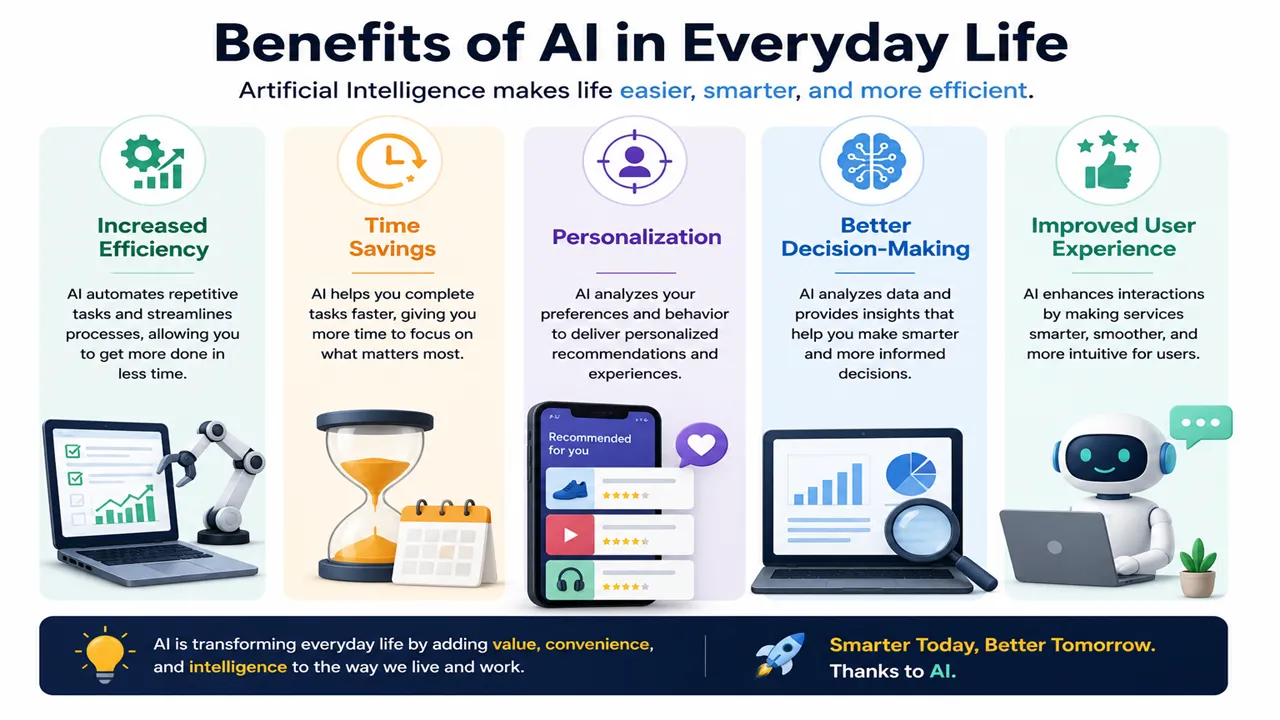
Benefits of AI in Everyday Life
AI provides multiple advantages:
- Increased efficiency
- Time savings
- Personalization
- Better decision-making
- Improved user experience
Challenges and Limitations
Despite its benefits, AI has challenges:
- Data privacy concerns
- Bias in algorithms
- Job displacement
- Ethical issues
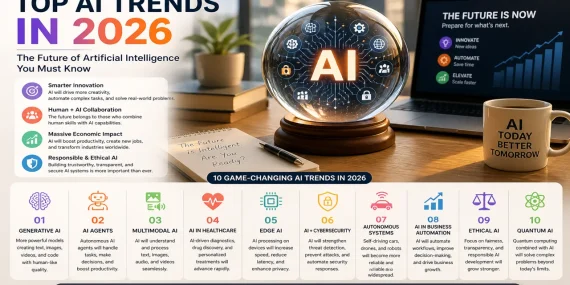
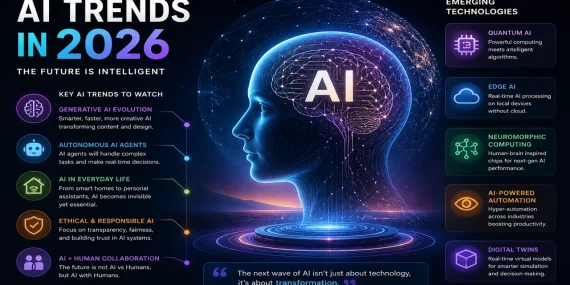
Future of AI in Daily Life
AI will continue evolving in the following ways:
- More automation
- Better personalization
- Deeper integration into daily routines
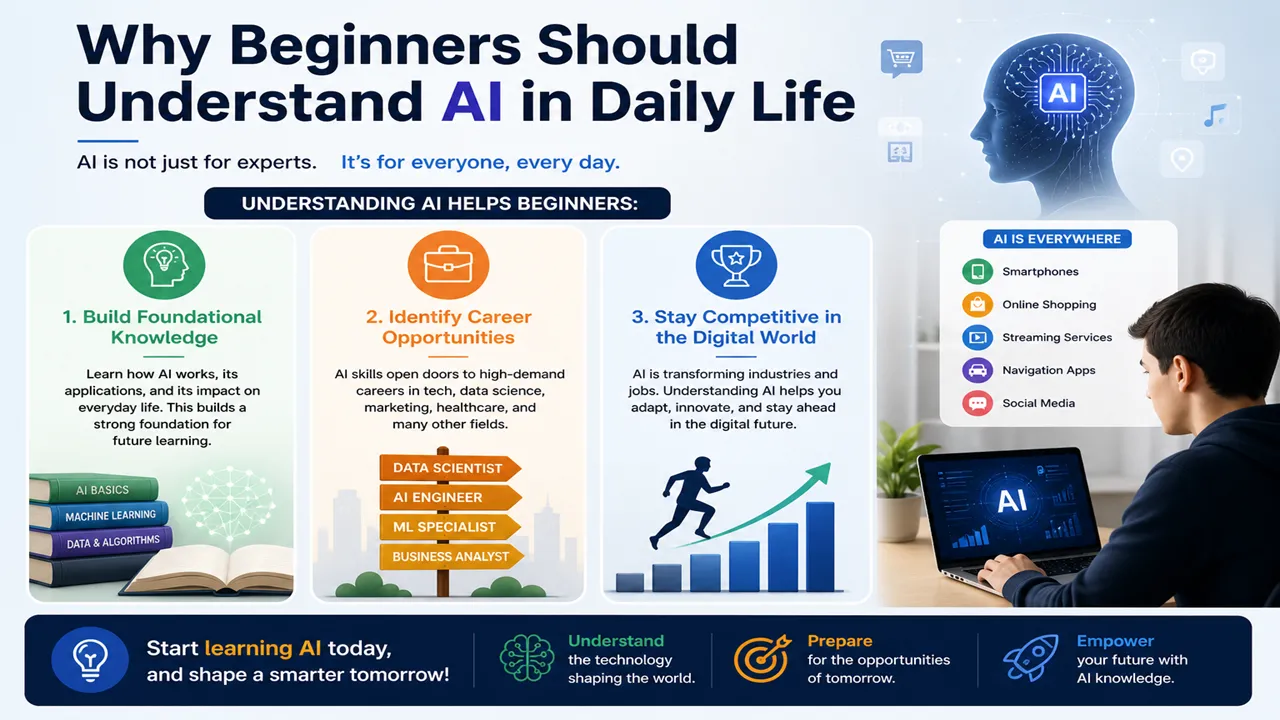
Why Beginners Should Understand AI in Daily Life
Understanding AI helps beginners:
- Build foundational knowledge
- Identify career opportunities
- Stay competitive in the digital world
Internal Linking Strategy (SEO Hub)
This article can serve as a central hub linking to:
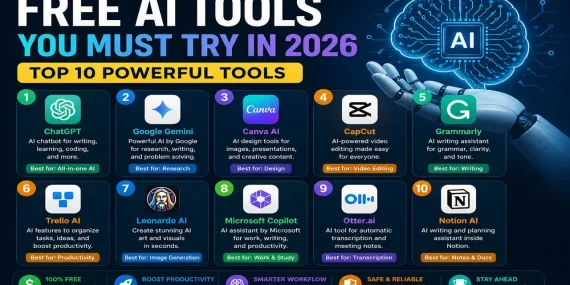
- AI tools guides
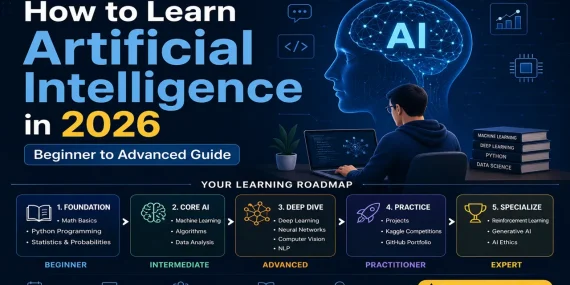
- AI learning tutorials
- AI trends articles
- AI course reviews
SEO Strategy for Ranking
Target Keywords
- real-world AI examples
- AI in everyday life
- uses of artificial intelligence
Optimization Tips
- Use structured headings
- Include tables for clarity
- Add internal links
- Answer user intent clearly
FAQ: Real-World AI Examples
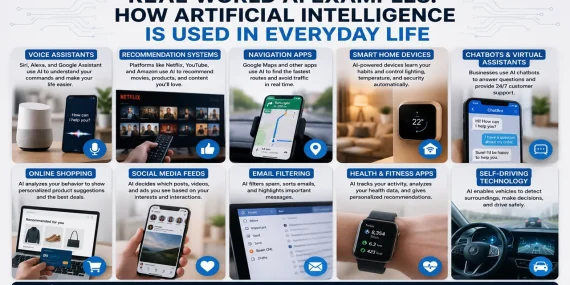
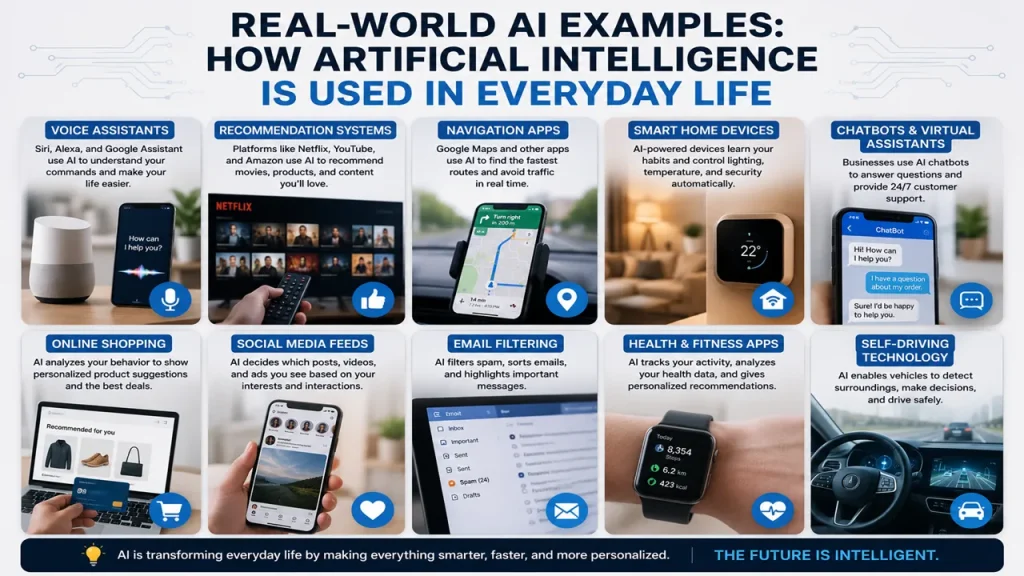
Real-world examples of artificial intelligence include voice assistants like Siri and Alexa, recommendation systems used by Netflix and Amazon, navigation apps like Google Maps, and smart home devices. These technologies use AI to automate tasks and improve user experience.
Yes, AI is used in everyday life more than most people realize. It powers smartphones, social media feeds, online shopping recommendations, email filtering, and even search engines, making daily tasks faster and more efficient.
Artificial intelligence improves daily life by increasing efficiency, saving time, and delivering personalized experiences. It helps users make better decisions, automate repetitive tasks, and access relevant information quickly.
Final Thoughts
Artificial Intelligence is no longer a concept of the future—it is a fundamental part of everyday life. Understanding real-world AI examples allows beginners to see how technology is shaping the modern world.
As AI continues to evolve, its role in daily life will only grow stronger, making it essential for individuals to understand and adapt to this transformation.